



| ✅ Reviewed by Dr. Mark McCawley | 🕒 Reading time: four minutes |
Gingivitis and periodontitis are different stages of the same disease process. While gingivitis affects the gums and can often be reversed, periodontitis can damage the bone and tissues that support the teeth. Understanding the differences between these conditions is important because early treatment may help prevent permanent damage.
What Is the Difference Between Gingivitis and Periodontitis?
Gingivitis and periodontitis are both forms of gum disease, but they represent different stages of the disease process.
| Gingivitis | Periodontitis | |
| Stage | Early gum disease | Advanced gum disease |
| Main area affected | Gum tissue | Gums, bone, and supporting soft tissues |
| Tissue damage | No permanent bone loss | Bone loss occurs |
| Reversibility | Often reversible with treatment | Can often be stabilized and managed, but some damage may be permanent |
| Treatment focus | Reduce inflammation and plaque buildup | Control infection and protect remaining support |
The key difference is that gingivitis affects the gums, while periodontitis extends deeper and can damage the structures that support your teeth.
What Is Gingivitis?
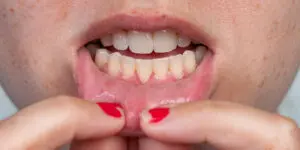
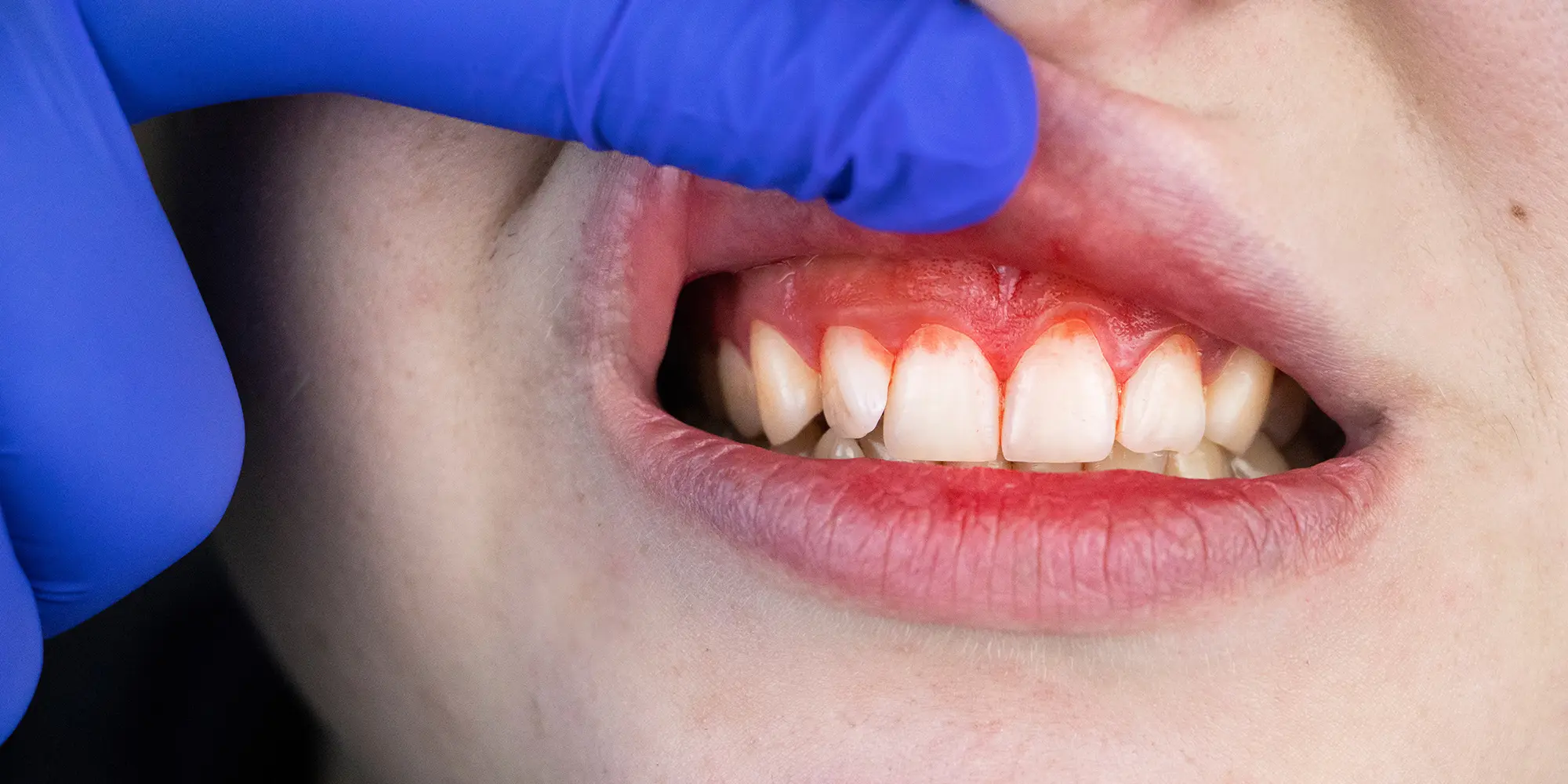
Gingivitis is the earliest stage of gum disease. It develops when plaque and bacteria accumulate along the gumline and trigger inflammation.
Common signs of gingivitis include:
- Bleeding when brushing or flossing
- Red or swollen gums
- Gum tenderness
- Persistent bad breath
At this stage, the infection is limited to the gum tissue. The bone and connective tissues that support the teeth have not yet been damaged.
Because no permanent destruction has occurred, gingivitis can often be reversed with professional cleaning and improved oral hygiene.
What Is Periodontitis?
Periodontitis develops when gum inflammation progresses below the gumline and begins affecting the tissues and bone that hold the teeth in place.
As the infection advances, the gums may pull away from the teeth, creating pockets where bacteria can continue to accumulate.
Common signs of periodontitis include:
- Receding gums
- Deep periodontal pockets
- Persistent bad breath
- Loose teeth
- Changes in how teeth fit together when biting
- Tooth loss in severe cases
Unlike gingivitis, periodontitis can cause permanent damage to the supporting structures around the teeth.
How Gingivitis Progresses to Periodontitis
Periodontitis often develops when gingivitis is left untreated. As inflammation and bacterial buildup spread below the gumline, the infection can begin damaging the tissues and bone that support the teeth.
The progression typically follows this pattern:
- Plaque accumulates along the gumline
- The gums become inflamed and begin bleeding
- Bacteria spread below the gumline
- The body’s inflammatory response starts damaging supporting tissues
- Bone loss and periodontal pockets develop
Not everyone with gingivitis will develop periodontitis, but untreated inflammation increases the risk. This is one reason why bleeding gums should never be ignored.
How Are Gingivitis and Periodontitis Treated?
Treatment depends on how advanced the disease has become.
Gingivitis Treatment
The goal of treatment is to remove plaque and reduce inflammation before permanent damage occurs.
Treatment may include:
- Professional dental cleanings
- Improved brushing and flossing habits
- Antimicrobial rinses when appropriate
- Regular preventive dental visits
Many patients see significant improvement once the bacterial buildup is removed and proper oral hygiene is restored.
Periodontitis Treatment
Periodontitis requires more extensive treatment because the infection extends below the gumline.
Treatment may include:
- Scaling and root planing
- Antimicrobial therapy
- LANAP® laser treatment
- Ongoing periodontal maintenance visits
The goal is to control the infection, reduce pocket depth, and help preserve the bone and tissues supporting the teeth.
When To See a Periodontist
Some gum problems can be managed with routine dental care, but certain symptoms warrant a periodontal evaluation.
You should consider seeing a periodontist if you have:
- Bleeding gums that do not improve
- Gum recession
- Persistent bad breath
- Loose teeth
- Deep gum pockets
- A previous diagnosis of gum disease
- A family history of periodontal disease
Early intervention can help prevent further damage and improve long-term outcomes.
Periodontal Care at McCawley Center for Laser Periodontics & Implants
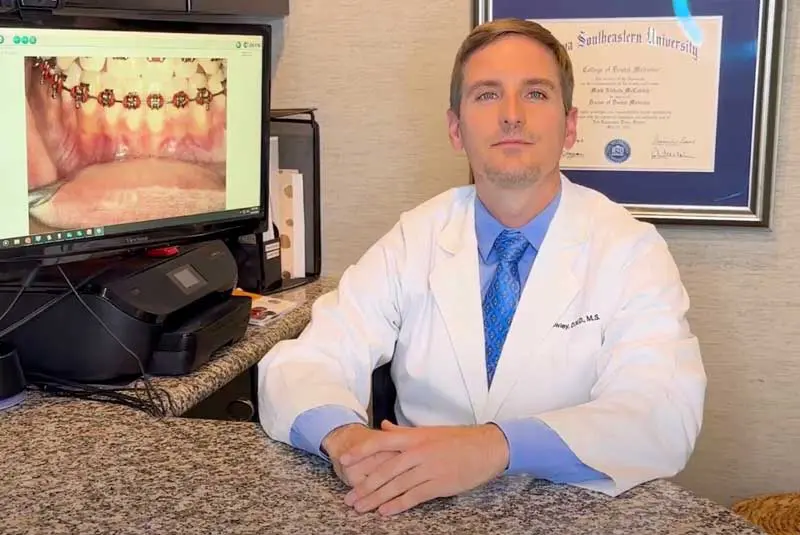
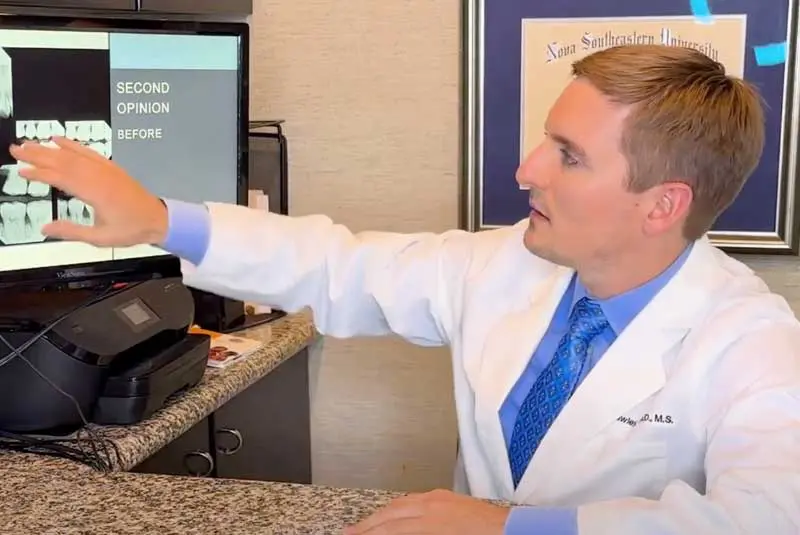
At McCawley Center for Laser Periodontics & Implants, our focus extends beyond treating periodontal pockets. Dr. Tom McCawley and Dr. Mark McCawley use microbial analysis to identify the bacteria and other microorganisms associated with gum disease, allowing treatment to be tailored to each patient’s specific infection.
Depending on your condition, treatment may include antimicrobial therapy, scaling and root planing, or LANAP® laser treatment. By combining advanced diagnostics with targeted periodontal care, we aim to control infection, protect supporting tissues, and help patients keep their natural teeth for as long as possible.
Periodontist in Ft. Lauderdale, FL
If you notice bleeding gums, gum recession, or persistent bad breath, do not wait for symptoms to worsen. Early evaluation and treatment can help protect your smile and reduce the risk of future complications.
To schedule an appointment at our periodontal clinic in Ft. Lauderdale, call (954) 807-4829 or visit 800 East Broward Blvd #706 Fort Lauderdale, FL.
FAQs
Gingivitis is early gum disease that affects the gums. Periodontitis is advanced gum disease that can affect the gums, bone, and supporting tissues around the teeth.
Bleeding, red, or swollen gums may point to gingivitis. Gum recession, deep pockets, loose teeth, or changes in your bite may suggest periodontitis. A dental or periodontal exam is needed to confirm the stage.
Many cases of gingivitis can be treated by a general dentist. Patients with advanced gum disease, gum recession, deep periodontal pockets, or bone loss may benefit from evaluation by a periodontist.
Yes. Periodontitis often progresses with few noticeable symptoms in its early stages. Some patients experience little or no pain until significant tissue or bone loss has occurred.
Without treatment, periodontitis can lead to ongoing bone loss, gum recession, loose teeth, and eventual tooth loss. Advanced disease may also make it more difficult to restore missing teeth and can affect long-term oral function.