



| ✅ Reviewed by Dr. Tom McCawley | 🕒 Reading time: four minutes |
Whether you are preparing for a gum graft or recovering from one, it is normal to wonder how long healing will take. Recovery depends on the type of procedure performed. Traditional connective tissue grafting and newer techniques such as the Pinhole Surgical Technique both treat gum recession, but they involve very different surgical approaches and recovery experiences.
Why Recovery Depends on the Type of Procedure
For many years, treating gum recession meant harvesting connective tissue from the roof of the mouth and placing it over the exposed tooth roots. While this approach is still effective, it creates two surgical sites that both need to heal.
Today, many patients are candidates for the Pinhole Surgical Technique, a minimally invasive alternative that achieves the same goal of covering exposed roots without removing tissue from the roof of the mouth. Instead, collagen is used to support the gums while specialized instruments gently reposition the existing tissue over the exposed roots.
Because the procedure is less invasive, recovery is often faster and more comfortable than traditional gum grafting.
Traditional Gum Graft Healing Stages
Healing varies from person to person, but most patients experience several predictable stages during recovery.
First 24 to 48 Hours
During the first two days, it is normal to experience:
- Moderate and occasional significant discomfort
- Swelling
- Bleeding or oozing is common
- Tenderness at both the gum graft site and the roof of the mouth
Many patients find the donor site on the palate is more uncomfortable than the graft itself.
Days 3 to 7
As healing progresses:
- Swelling gradually improves
- The graft begins attaching to the surrounding tissue
- The donor site starts becoming less sensitive
- Soft foods are still recommended
Most patients begin feeling noticeably better by the end of the first week.
Weeks 2 to 4
During the next few weeks:
- The gums continue integrating with the surrounding tissue
- Tenderness continues to improve
- Gum color gradually becomes more natural
- Normal oral hygiene routines are slowly resumed as directed
One to Three Months
Although discomfort is usually gone within a few weeks, complete healing continues beneath the surface.
Over the next several months:
- The gums mature and strengthen
- Root coverage becomes more stable
- The tissues continue blending with the surrounding gums
Recovery After the Pinhole Surgical Technique
The Pinhole Surgical Technique provides the same goal as traditional connective tissue grafting while using a much less invasive approach.
Instead of creating a surgical flap and harvesting tissue from the roof of the mouth, a small pinhole opening allows specialized instruments to gently loosen and reposition the gums over the exposed roots. Collagen is then placed beneath the tissue to provide additional thickness and support.
Compared with traditional gum grafting, patients often experience:
- Less discomfort
- No donor site on the roof of the mouth
- Faster recovery
- Treatment of multiple teeth, or even the entire mouth, during one procedure when appropriate
Some swelling is still expected because the tissues are repositioned internally, but soreness is typically mild and often resolves within about one week.
When Gum Tissue Still Needs to Be Harvested
Not every soft tissue graft is performed to cover exposed roots. Some patients need treatment to increase the thickness of the attached gum tissue around the teeth to help prevent future gum recession or attachment loss.
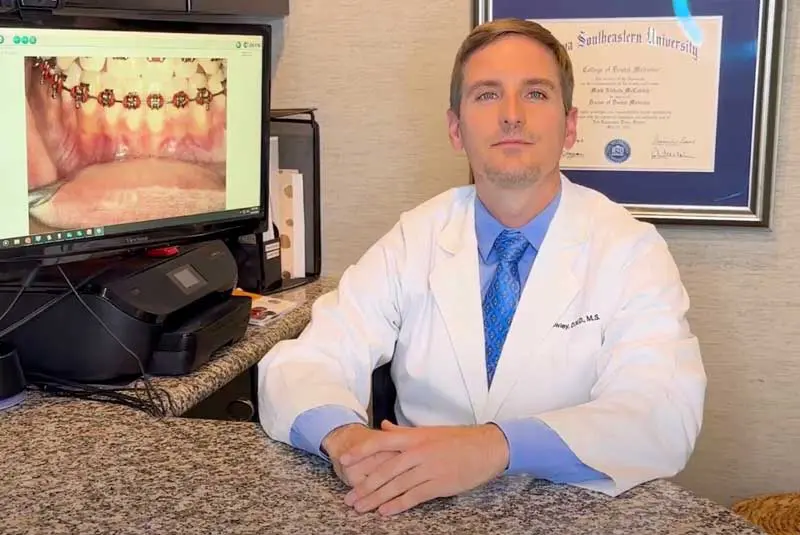
When tissue harvesting is necessary, Dr. Mark McCawley uses a much more conservative technique than traditional connective tissue grafting. Instead of removing a large section of tissue from the roof of the mouth, only a thin superficial layer is gently harvested using a specialized technique. Because the wound is smaller and shallower, patients generally experience less discomfort and faster healing.
Tips for a Smooth Recovery
Following your post-operative instructions is one of the most important parts of successful healing.
To support recovery:
- Eat soft foods until instructed otherwise
- Avoid brushing or flossing the surgical area until cleared
- Take medications exactly as prescribed
- Avoid smoking and vaping
- Attend all follow-up appointments
- Contact your periodontist if you notice excessive bleeding, swelling, or signs of infection
Advanced Soft Tissue Grafting
At McCawley Center for Laser Periodontics & Implants, preserving natural teeth and healthy gum tissue is at the center of everything we do. We have helped pioneer less invasive approaches to soft tissue grafting that reduce discomfort while delivering predictable, long-lasting results.
Every treatment plan is customized to your individual needs, with the goal of restoring healthy gums while making recovery as comfortable as possible.
Periodontist in Fort Lauderdale, FL
If you have gum recession or have been told you may need a gum graft, a comprehensive periodontal evaluation can help determine which treatment option is most appropriate for your condition.
To schedule an appointment at our periodontal clinic in Ft. Lauderdale, call (954) 807-4829 or visit 800 East Broward Blvd #706 Fort Lauderdale, FL.
FAQs
Most patients experience moderate soreness after gum graft surgery. Recovery is generally much more comfortable with the Pinhole Surgical Technique because tissue is not harvested from the roof of the mouth.
No. Many patients who need root coverage are candidates for the Pinhole Surgical Technique, which uses collagen instead of tissue from the palate. When tissue harvesting is necessary, conservative techniques can often reduce discomfort compared with traditional methods.
Most patients feel significantly better within one to two weeks, although complete healing of the gum tissues continues for several months.
Yes. Because tissue is not harvested from the roof of the mouth, the Pinhole Surgical Technique often allows multiple teeth, or even the entire mouth when appropriate, to be treated during a single procedure.