




| ✅ Reviewed by Dr. Tom McCawley | 🕒 Reading time: three minutes |
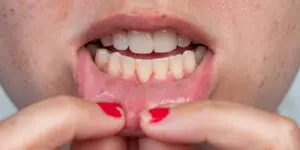
Black triangles between teeth are small, dark spaces that appear near the gumline when the gum tissue does not completely fill the area between neighboring teeth. They can develop because of gum disease, changes in tooth position, or the natural shape of your teeth.
Factors That Contribute to the Formation of Black Triangles
Normally, a small section of gum tissue called the interdental papilla fills the space between two teeth. When this tissue is missing or does not reach the point where the teeth meet, a triangular gap becomes visible. Several factors can contribute to these spaces.
Plaque and Tartar Buildup
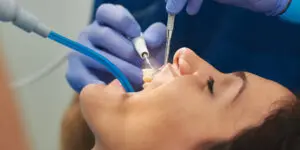
If it has been a long time since your last dental cleaning, plaque and tartar may have accumulated between your teeth, concealing spaces near the gumline. Once these deposits are removed, the gaps may become more noticeable
Tooth Shape and Position
Some people naturally have triangular-shaped teeth that are narrower near the gums. Even with healthy gum tissue, this shape can leave more visible space between neighboring teeth.
Crowded, rotated, or unevenly positioned teeth can also create gaps where the gum tissue does not fully fill the space.
Orthodontic Treatment
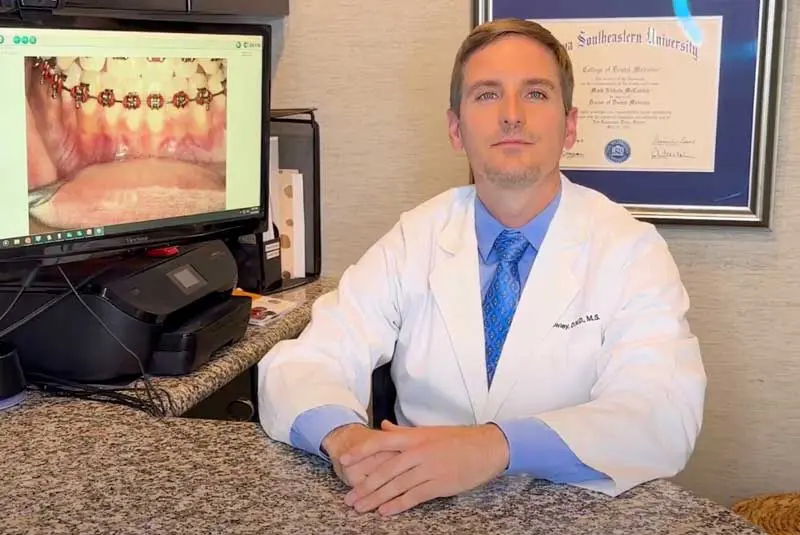
Black triangles sometimes become noticeable after braces or clear aligner treatment. Straightening crowded teeth can reveal spaces that were previously less visible, particularly when teeth have a triangular shape or the supporting gum tissue has already been reduced. This does not necessarily mean orthodontic treatment damaged the gums.
Gum Disease and Bone Loss
Periodontal disease can contribute to the development of black triangles between teeth. As periodontitis progresses, inflammation and infection can damage the bone and connective tissue that support your teeth.
When the supporting bone is lost, the gum tissue between teeth may lose some of its support and no longer completely fill the space, leaving a visible triangular gap.
Gum Recession
Gum recession can affect the tissue between teeth, leaving dark spaces near the gumline. Recession may result from gum disease, aggressive brushing, naturally thin gum tissue, or other factors.
Improving the Appearance of Gaps Between Teeth
Depending on the cause, black triangles can sometimes be reduced or closed with cosmetic dental treatments such as bonding or veneers. These procedures change the shape of the teeth to make the spaces less noticeable. Orthodontic treatment may also help when tooth position contributes to the gaps.
If the spaces are associated with gum disease and bone loss, treatment focuses on controlling the disease and protecting the remaining supporting tissues. Rebuilding lost gum tissue between teeth is difficult, and complete closure may not be possible.
FAQ
Will Invisalign get rid of black triangles?
Invisalign may help reduce black triangles if they are caused by tooth position or alignment. By moving teeth closer together or changing how they contact each other, orthodontic treatment can sometimes reduce the visible spaces. However, Invisalign cannot replace missing gum tissue or bone, and it may not eliminate the gaps completely.
Can you have black triangles without gum disease?
Yes. Black triangles can occur in people with completely healthy gums. Natural tooth shape, spacing, and alignment can leave visible gaps near the gumline even when there is no periodontal disease or tissue loss.
Do black triangles in teeth mean bone loss?
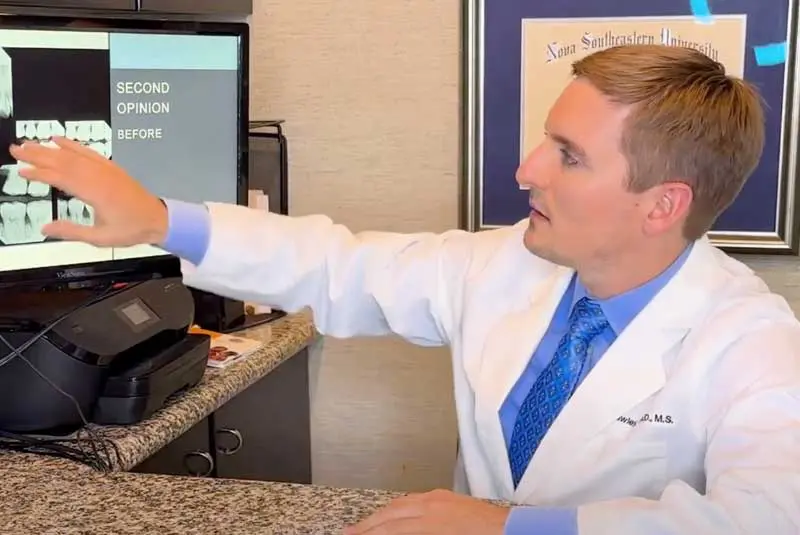
No. Black triangles do not automatically indicate bone loss. While periodontal bone loss can reduce support for the gum tissue between teeth, these spaces can also develop because of natural tooth anatomy or alignment. A periodontal examination, including X-rays when appropriate, can help determine whether bone loss is present.
Protect Your Gums and Natural Teeth
Black triangles between teeth are not always a cause for concern, but new or growing gaps may indicate changes in your gum health. Identifying the cause can help prevent further damage and determine whether treatment is needed.
At McCawley Center for Laser Periodontics & Implants, we can evaluate your periodontal health, identify signs of gum disease or recession, and recommend treatment when necessary.
To schedule an appointment at our periodontal office in Ft. Lauderdale, call (954) 807-4829 or visit us at 800 East Broward Blvd #706 Fort Lauderdale, FL.