





| ✅ Reviewed by Dr. Tom McCawley | 🕒 Reading time: four minutes |
Some people notice changes in their breath after starting GLP-1 medications for weight loss or diabetes management. While GLP-1 medications do not directly cause bad breath, several effects associated with these medications may contribute to breath odor. Understanding the underlying cause can help you manage symptoms and protect your oral health.
Why Does Ozempic Cause Bad Breath?
GLP-1 medications can contribute to bad breath through several indirect effects, including dry mouth, dehydration, dietary changes, ketosis, and digestive symptoms. For many people, more than one factor may be contributing at the same time.
Dry Mouth and Dehydration Can Contribute to Bad Breath
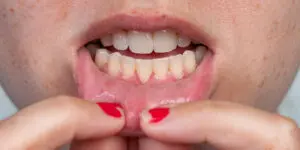
One of the most common reasons for Ozempic breath is dry mouth. Saliva helps protect your mouth by washing away food particles, neutralizing acids, and controlling odor-causing bacteria. When saliva production drops, bacteria can accumulate more easily on the teeth, tongue, and gums. As these bacteria break down food debris and proteins, they can produce unpleasant odors.
Dry mouth can also raise the risk of periodontal disease, tooth decay, gum irritation, and persistent bad breath if it continues over time.
Can Weight Loss Cause Bad Breath?
People who significantly reduce calorie intake or lose weight rapidly may enter a metabolic state called ketosis. During ketosis, the body burns fat for energy and produces compounds called ketones.
Certain ketones can create a noticeable odor on the breath that some people describe as:
- Fruity
- Metallic
- Sweet
- Similar to nail polish remover
This type of breath odor is different from bad breath caused by bacteria, but it can still be noticeable to others.
Do Digestive Changes Affect Breath?
GLP-1 medications like ozempic slow the rate at which food leaves the stomach. This helps increase feelings of fullness and supports weight loss.
For some individuals, slower digestion may contribute to:
- More frequent burping
- Reflux symptoms
- A sour taste in the mouth
- Changes in breath odor
Digestive symptoms alone do not necessarily cause chronic bad breath, but they can contribute to temporary odor concerns for some patients.
Ways to Reduce Bad Breath While Taking GLP-1 Medications
The best solution depends on the underlying cause.
Helpful strategies may include:
- Drink water consistently throughout the day
- Brush twice daily
- Floss every day
- Clean your tongue regularly with a tongue scraper
- Use sugar-free gum or lozenges to stimulate saliva
- Maintain a balanced diet
- Schedule regular dental cleanings and exams
If dry mouth is contributing to the problem, your dentist may recommend additional strategies to help protect your teeth and gums.
Bad Breath Is Not Always Caused by GLP-1 Medication
It can be tempting to assume a new medication is responsible for bad breath, but that is not always the case.
Persistent bad breath may also be associated with:
- Dry mouth
- Gum disease
- Tongue and throat bacteria
- Plaque buildup
- Periodontal infections
If bad breath continues despite improving hydration and oral hygiene habits, it may be worth investigating whether an underlying oral health condition is contributing to the problem.
Evaluating Persistent Bad Breath at Bad Breath Center of America
Bad breath can have many causes, and identifying the source is often the most important step. While dry mouth, dehydration, and dietary changes associated with GLP-1 medications may contribute to breath odor, they are not always the only factors involved.
At the Bad Breath Center of America, Dr. Tom McCawley and Dr. Mark McCawley evaluate patients with persistent bad breath using advanced diagnostic methods designed to identify the underlying cause. This may include assessing tongue bacteria, oral infections, periodontal conditions, and other factors that can contribute to chronic breath odor.
If bad breath continues despite improving hydration and oral hygiene habits, a professional evaluation may help determine whether an underlying oral condition is contributing to the problem and guide appropriate treatment recommendations.
Bad Breath Treatment in Ft. Lauderdale, FL
If bad breath becomes persistent or is accompanied by other oral health concerns, schedule regular dental checkups and seek professional evaluation. Early assessment can help identify whether dry mouth, gum disease, or another condition may be contributing to the problem.
To schedule an appointment at the Bad Breath Center of America in Ft. Lauderdale, FL, call (954) 807-4829 or visit 800 E Broward Blvd Suite 716, Fort Lauderdale, FL 33301.
FAQs
Ozempic and other GLP-1 medications may contribute to bad breath indirectly. Dry mouth, dehydration, ketosis, digestive changes, and reduced food or water intake can all affect breath odor.
Persistent bad breath is not always related to medication use. If the problem continues despite good hydration and oral hygiene, an evaluation may help identify whether dry mouth, tongue bacteria, gum disease, or another oral health condition is contributing.
If you are experiencing persistent bad breath that does not improve with brushing, flossing or tongue cleaning, a professional evaluation may help identify the underlying cause. At Bad Breath Center of America in Fort Lauderdale, Dr. Tom McCawley and Dr. Mark McCawley use advanced diagnostic techniques to evaluate chronic bad breath and recommend treatment based on the source of the odor.