



| ✅ Reviewed by Dr. Mark McCawley | 🕒 Reading time: four minutes |
Reading time: four minutes
Many people want to know whether a dental implant is a quick appointment or a long treatment process. The surgery itself may take only one to two hours for a single implant, but the full timeline often takes several months because the implant needs time to heal before the final restoration is placed.
How Long Does the Full Dental Implant Process Take?
The complete dental implant process typically takes between three and nine months. Some cases move faster, while others require additional procedures that extend the timeline.
Most treatment plans include several stages:
- Consultation and treatment planning: Usually completed over one or two visits.
- Tooth extraction (if needed): Timing varies depending on the condition of the tooth and whether healing is required before implant placement.
- Dental implant surgery: A single implant can often be placed in one to two hours.
- Healing and bone integration: The implant typically requires two and a half to three months to fuse with the jawbone through a process called osseointegration.
- Bone grafting or site development (if needed): Some patients require bone grafting procedures such as socket preservation or sinus augmentation to create adequate support for an implant. Depending on the procedure, additional healing time may be required before implant placement.
- Final restoration: Once healing is complete, the final crown, bridge, or denture can be fabricated and attached to the implant.
For most patients, the healing period between implant placement and the final restoration is the longest part of the treatment process.
Consultation and Treatment Planning
Every dental implant procedure begins with careful planning. During your consultation, your periodontist will evaluate your teeth, gums, and bone structure. This often includes digital imaging and a review of your medical and dental history.
The goal is to determine:
- Whether you are a good candidate for implants
- If enough bone is present to support an implant
- Whether additional procedures may be needed
- The best location and angle for implant placement
Some patients can move directly to surgery after planning, while others may need preliminary treatment first.
Implant Placement Surgery
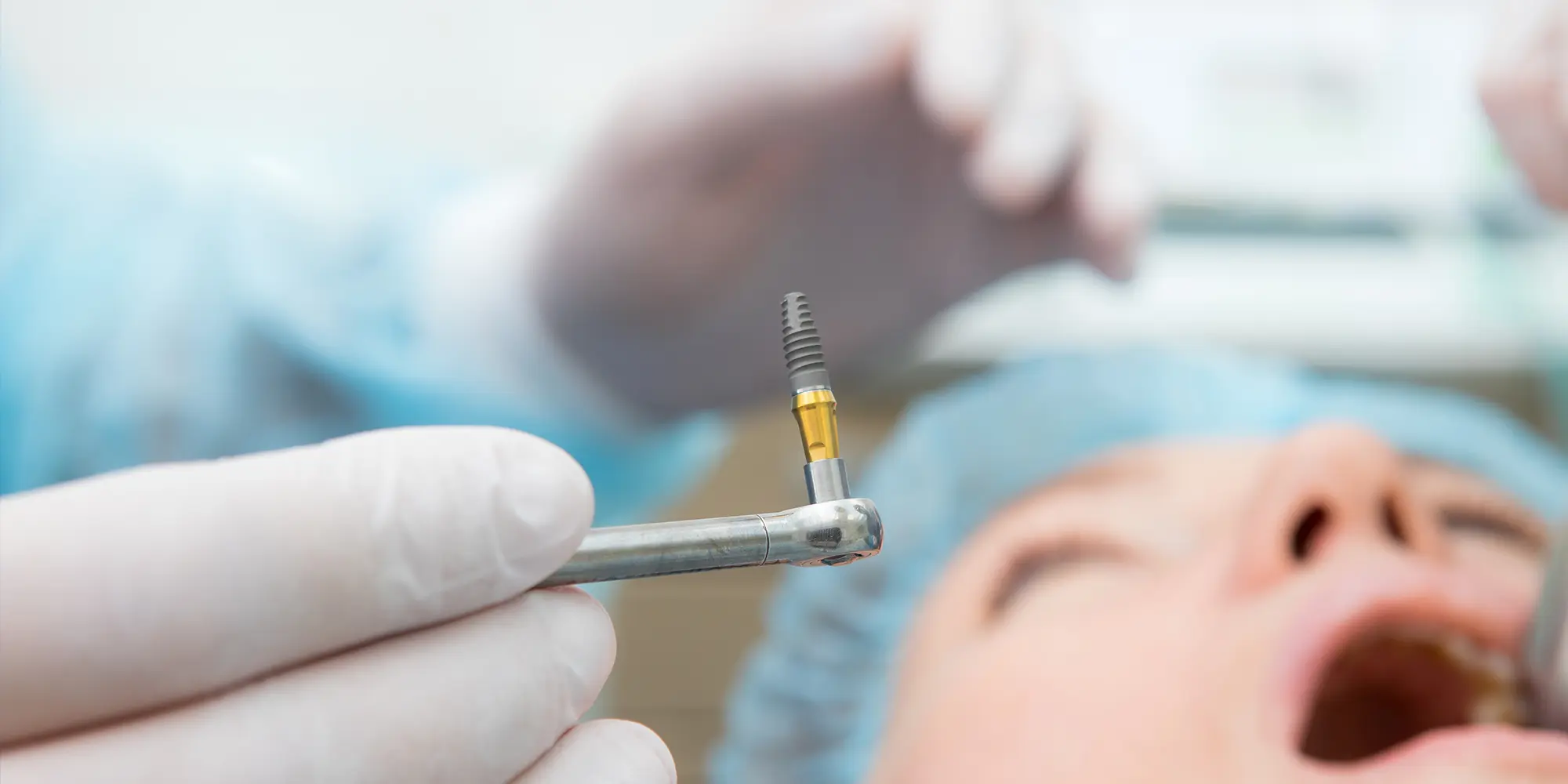
For most patients, the surgery itself is relatively short. A single dental implant often takes about one to two hours to place. Multiple implants generally require more time.
During the procedure:
- The implant site is prepared
- The titanium implant is placed into the jawbone
- The area is closed and allowed to heal
Many patients are surprised to learn that the surgical appointment is often the shortest part of the overall process.
Healing After Dental Implant Placement
After placement, the implant must fuse with the jawbone through a process called osseointegration. This healing phase is what gives dental implants their long-term stability.
For most patients, osseointegration takes approximately two and a half to three months. During this time, the bone gradually bonds to the implant surface and creates a secure foundation for the final restoration.
Healing times vary based on factors such as:
- Overall health
- Bone quality
- Smoking status
- Medical conditions
- Whether bone grafting was performed
Your periodontist will monitor healing throughout the process and determine when the implant is ready to support the final restoration.
Receiving the Final Restoration
Once healing is complete and the implant has successfully integrated with the jawbone, the restoration phase begins.
At this stage, your periodontist will confirm that the implant is stable and ready to support a restoration. You will then return to your general dentist, who will complete the restorative portion of treatment.
This typically involves:
- Taking impressions or digital scans
- Placing the abutment that connects the implant to the restoration
- Fabricating the final crown, bridge, or denture
The final restoration is then attached to the implant, completing the treatment. This phase often takes several weeks, depending on laboratory and scheduling requirements.
Factors That May Extend Treatment Time
Some cases require additional treatment before or during implant therapy.
Factors that may lengthen the process include:
- Bone grafting
- Sinus lift procedures
- Tooth extraction(s)
- Multiple implant placements
- Existing infection
- Smoking or tobacco use
- Medical conditions that affect healing
In some cases, an implant can be placed immediately after a tooth is extracted. In others, a healing period is recommended before implant placement.
Dental Implant Treatment With Dr. Mark McCawley
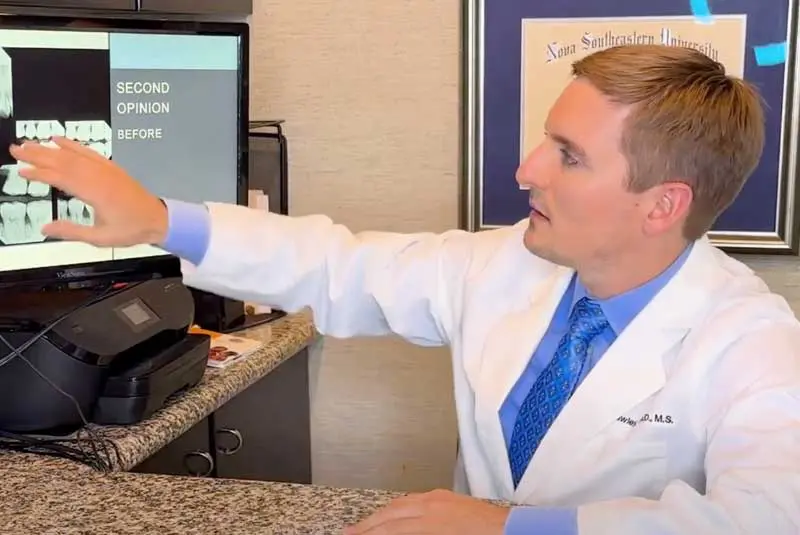
Dr. Mark McCawley is a board-certified periodontist who specializes in dental implant placement and teaches implantology at Nova Southeastern University College of Dental Medicine. Before implant treatment, he evaluates bone support, gum health, and the overall condition of the implant site to develop a treatment plan tailored to each patient.
For patients with bone loss or active periodontal disease, treatment may include procedures such as bone grafting or socket preservation to help create a stable foundation for long-term implant success. Dr. McCawley works closely with each patient’s restorative dentist to coordinate care from implant placement through the final restoration.
Dental Implants in Ft Lauderdale FL
If you are considering dental implants, a consultation can help determine your expected treatment timeline and whether additional procedures may be needed before implant placement.
To schedule an appointment at our periodontal clinic in Ft. Lauderdale, call (954) 807-4829 or visit 800 East Broward Blvd #706 Fort Lauderdale, FL.
FAQs
A single dental implant surgery appointment often takes about one to two hours, although the actual placement may be shorter. Multiple implants, sedation, grafting, or a more complex case can take longer.
Some patients can receive an implant and temporary tooth the same day, but not everyone is a candidate. The final crown is usually placed after the implant has healed and fused with the bone.
Initial gum healing may take about one to two weeks, but the implant usually needs several months to fully integrate with the jawbone before the final restoration is placed.
It depends on your case and the location of the missing tooth. Some patients receive a temporary tooth during healing, while others may wait until the final restoration is ready.