


| ✅ Reviewed by Dr. Tom McCawley | 🕒 Reading time: two minutes |
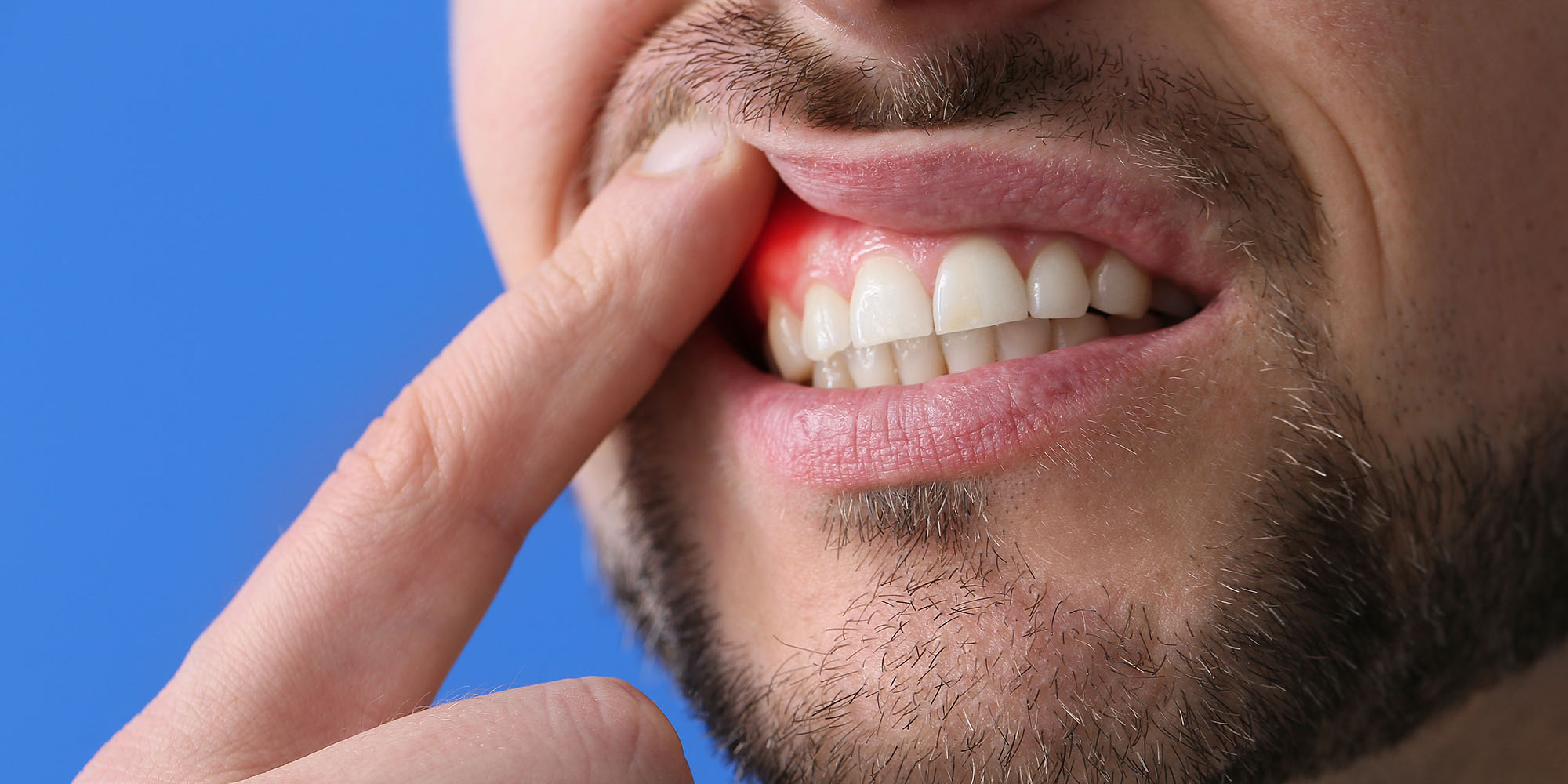
LANAP may be an option for patients with moderate to advanced gum disease, especially when there are deep periodontal pockets, bleeding gums, bone loss, or loose teeth. It may also provide a less invasive treatment option for some patients who would otherwise require traditional periodontal surgery.
LANAP Is Used To Treat Gum Disease
LANAP stands for Laser-Assisted New Attachment Procedure. It uses a specialized dental laser to remove diseased tissue, reduce bacteria inside periodontal pockets, and support healing around the teeth.
Unlike traditional gum surgery, LANAP does not use scalpels or sutures. The laser targets infected tissue while helping preserve healthy gum tissue.
When LANAP May Be Appropriate
LANAP may be considered when gum disease is affecting the tissues or bone that support the teeth. A periodontal evaluation is needed to determine the extent of the disease and whether laser treatment is appropriate.
LANAP may be an option if you have:
- Deep periodontal pockets
- Bleeding or inflamed gums
- Bone loss around the teeth
- Loose teeth caused by loss of periodontal support
Having one or more of these problems does not necessarily mean you need LANAP. Your periodontist will consider the severity of the disease, the amount of support remaining around the teeth, and other factors before recommending treatment.
What Happens During a LANAP Evaluation?
An evaluation helps determine how serious the gum disease is and whether laser treatment is appropriate.
Your visit may include:
- Measuring gum pocket depths
- Analyzing bacteria associated with the periodontal infection when appropriate
- Checking for bleeding or swelling
- Reviewing dental X-rays
- Looking for bone loss
- Checking tooth mobility
- Evaluating bite pressure
- Reviewing your medical history
- Discussing smoking, vaping, diabetes, or other healing factors
These findings help determine whether LANAP is appropriate and which teeth have enough remaining support to preserve.
LANAP Works Best With Long-Term Maintenance
LANAP treats active periodontal disease, but ongoing periodontal maintenance is important for protecting the results. Regular periodontal visits allow your periodontist to monitor healing and help keep disease-causing bacteria under control.
Patients with a history of gum disease may need periodontal maintenance more frequently than patients without periodontitis. Consistent home care and avoiding tobacco also help support long-term periodontal health.
Find Out if LANAP Is Right for You
At McCawley Center for Laser Periodontics & Implants, Dr. Tom McCawley and Dr. Mark McCawley use LANAP to treat gum disease with a focus on saving natural teeth whenever possible.
McCawley Center for Laser Periodontics & Implants was the first practice in the country to introduce the Nd:YAG laser in 1990 and has treated over 7000 patients using laser technology in periodontal care. We take a microbiologically focused approach to gum disease, identifying and treating the microorganisms associated with periodontal infection.
To schedule an appointment at our periodontal office in Ft. Lauderdale, call (954) 807-4829 or visit us at 800 East Broward Blvd #706 Fort Lauderdale, FL.
FAQ
LANAP may help stabilize most loose teeth when enough bone and tissue support remain. If a tooth has lost too much support, removal may be the better long-term option.
Diabetes does not necessarily rule out periodontal treatment, but blood sugar control can affect healing and periodontal health. Your medical history and diabetes management should be considered when determining whether LANAP is appropriate.
Smoking can interfere with healing and is an important factor when planning periodontal treatment. If you smoke or use tobacco, your periodontist can discuss how it may affect treatment and your long-term results.
LANAP can support regeneration of bone and other tissues damaged by gum disease. The amount of regeneration varies depending on the extent and location of the bone loss, so results are different for each patient.