



| ✅ Reviewed by Dr. Tom McCawley | 🕒 Reading time: three minutes |
Periodontal pockets are the spaces between your teeth and gums. When these pockets become deeper than normal, bacteria can collect below the gumline, increasing the risk of periodontal disease.
What Causes Deep Periodontal Pockets?
When plaque and bacteria accumulate along the gumline, the gums can become inflamed and begin to separate from the teeth. As this space deepens, bacteria can collect below the gumline where brushing and flossing cannot easily reach. Left untreated, the infection may damage the gums, supporting bone, and other tissues that hold the teeth in place.
How Are Gum Pockets Measured?
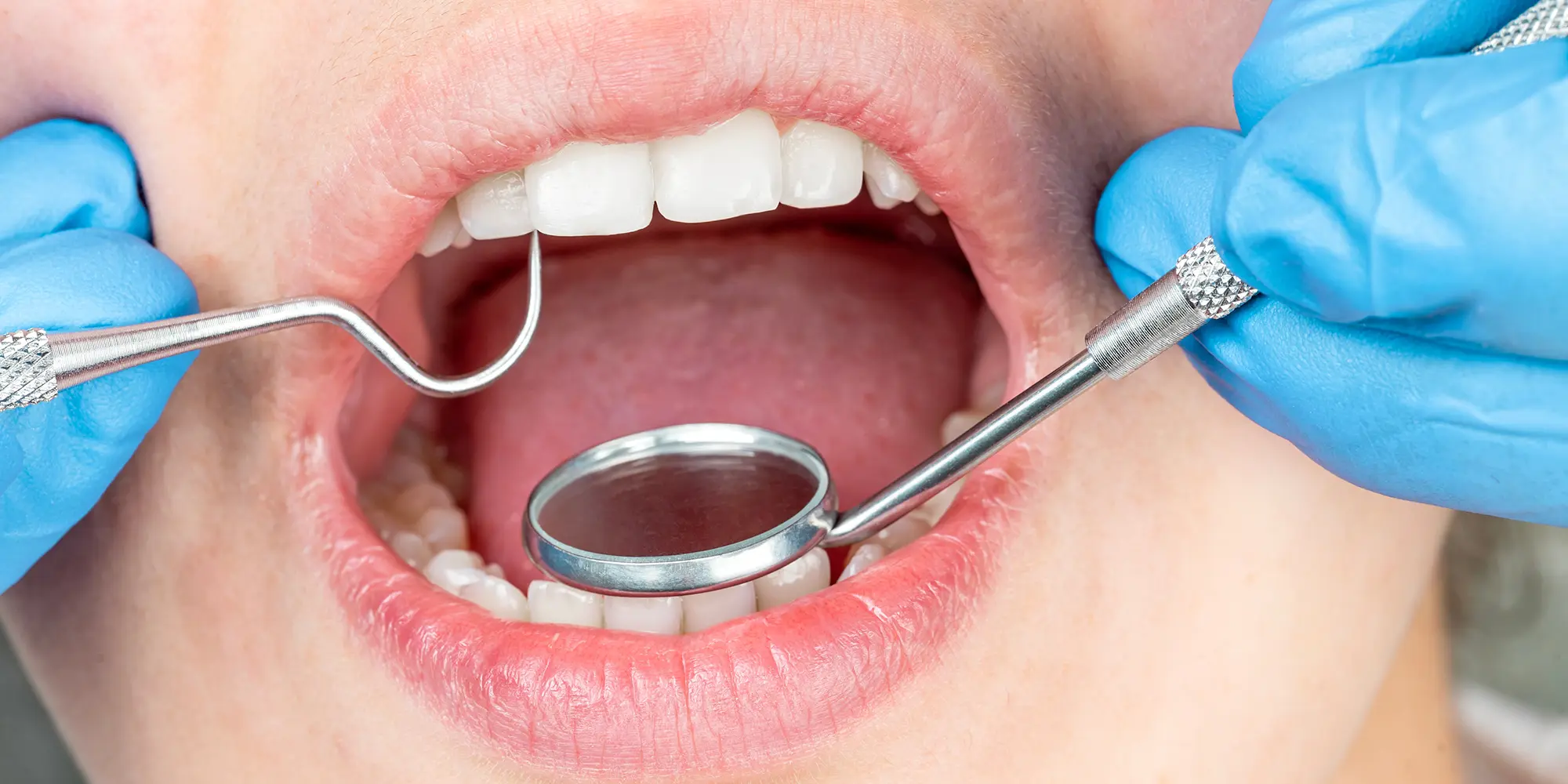
During a periodontal exam, a small measuring instrument called a periodontal probe is used to measure the depth of the space between the tooth and the gum.
In general:
- 1 to 3 mm: Considered healthy
- 4 mm: Indicates early gum disease
- 5 mm: Indicates periodontal disease that requires treatment
- 6 mm or deeper: Indicates advanced periodontal disease with a greater risk of bone loss
Pocket depth is only one part of a comprehensive periodontal evaluation. Other findings, such as bleeding, gum recession, bone loss, tooth mobility, and signs of infection, also help determine the health of the gums and supporting tissues.
Treating the Cause of Deep Periodontal Pockets
Deep gum pockets are a sign of gum disease, so treatment focuses on controlling the underlying infection rather than simply reducing pocket depth. As harmful bacteria are removed and inflammation subsides, the gums begin to heal and pockets may become shallower.
Treatment begins with a comprehensive periodontal evaluation to determine the severity of the disease. Pocket depth, bleeding, bone loss, and other clinical findings help guide the treatment plan.
Depending on the severity of the periodontal disease, treatment may include:
- Deep cleaning (scaling and root planing) to remove plaque and tartar below the gumline
- Antimicrobial therapy to target harmful bacteria
- Laser periodontal therapy (LANAP) to remove diseased tissue, regenerate bone and stimulate healing
- Periodontal maintenance visits
The goal of treatment is to control the infection, reduce inflammation, regenerate bone and help prevent further damage to the gums, bone, and other tissues that support the teeth.
What Happens if Gum Disease Is Left Untreated?
Periodontal disease is a progressive infection that can continue to damage the gums, supporting bone, and other tissues around the teeth if it is not treated. As the disease progresses, gum pockets often become deeper, allowing bacteria to spread farther below the gumline and making the infection more difficult to control. Treatment will never be more conservative, more cost effective, or less invasive than it is if treated now.
Untreated periodontal disease can lead to:
- Worsening gum inflammation
- Increased bleeding
- More gum recession
- Progressive bone loss
- Loose or shifting teeth
- Tooth loss
- More complex treatment needs
Early diagnosis and treatment can help control the infection, preserve healthy gum and bone tissue, and reduce the risk of permanent damage.
Periodontal Treatment in Fort Lauderdale, FL
Healthy gums provide the foundation for healthy teeth. At McCawley Center for Laser Periodontics & Implants, we use advanced diagnostic technology to evaluate the health of your gums and supporting bone before developing a personalized treatment plan.
Our goal is to control the infection, restore the health of the supporting tissues, and help prevent further damage. Through a combination of modern periodontal therapies, regenerative techniques, and ongoing maintenance, we help patients maintain healthier smiles for the long term.
Schedule a Periodontal Evaluation
Many patients are referred to a periodontist after deep gum pockets are found during a routine dental examination. A comprehensive periodontal evaluation helps determine the severity of the disease and the most appropriate treatment plan.
To schedule an appointment at our periodontal clinic in Ft. Lauderdale, call (954) 807-4829 or visit 800 East Broward Blvd #706 Fort Lauderdale, FL.
FAQ
Periodontal pockets do not heal on their own. Once bacteria have spread below the gumline and the supporting tissues have been damaged, professional periodontal treatment is usually needed to control the infection and prevent further progression.
Deep periodontal pockets often become significantly shallower after treatment if the inflammation is reduced and the gums respond well. The outcome depends on the severity of the disease, the amount of bone loss, the treatment method used, and how well the infection is controlled.
Pocket measurements help monitor the health of your gums over time. Comparing these measurements at each visit allows your dental team to identify changes early and determine whether periodontal disease is stable, improving, or progressing.