




| ✅ Reviewed by Dr. Tom McCawley | 🕒 Reading time: four minutes |
Dental implants often come with a similar upfront cost to a bridge, so it is reasonable to question whether they are truly worth it. For many adults replacing one or more missing teeth, the answer is yes because implants restore function, support jawbone health, and can last for decades with proper care.
How Dental Implants Compare in Long-Term Performance
Dental implants provide long term value because they replace both the visible tooth and the root structure beneath the gums. By restoring the entire tooth, implants function more like natural teeth and provide greater stability than bridges or removable dentures.
The long term advantages of dental implants include:
- Strong, stable chewing function
- Consistent comfort during everyday use
- Reduced risk of nearby teeth shifting
- A natural appearance that blends with surrounding teeth
- Long lasting performance with proper care
Because implants integrate directly with the jawbone, they help preserve bone volume and maintain facial support over time. This root-level support is one of the main reasons they continue to provide value years after placement.
What Makes Dental Implants Worth the Cost?
The long-term value becomes even clearer when implants are compared with other tooth replacement options.
A dental bridge may cost the same at first, but it often needs replacement after 10 to 15 years and runs the risk of needing root canals on the prepared teeth. Traditional dentures may require relines, repairs, or replacement as the jaw changes shape.
Dental implants are designed to provide greater long-term stability, which can reduce the need for repeated future dental work.
Their investment value often comes from:
- Fewer replacements over time
- Better durability under normal bite force
- More predictable long-term function
For many patients, this makes implants a better lifetime investment rather than simply the least expensive option upfront.
Why Are Dental Implants So Expensive?
This is one of the most common questions, and the answer comes down to materials, planning, surgical precision, and long-term success.
The fee often reflects several important parts of treatment:
- 3D imaging and diagnostics
- Surgical planning
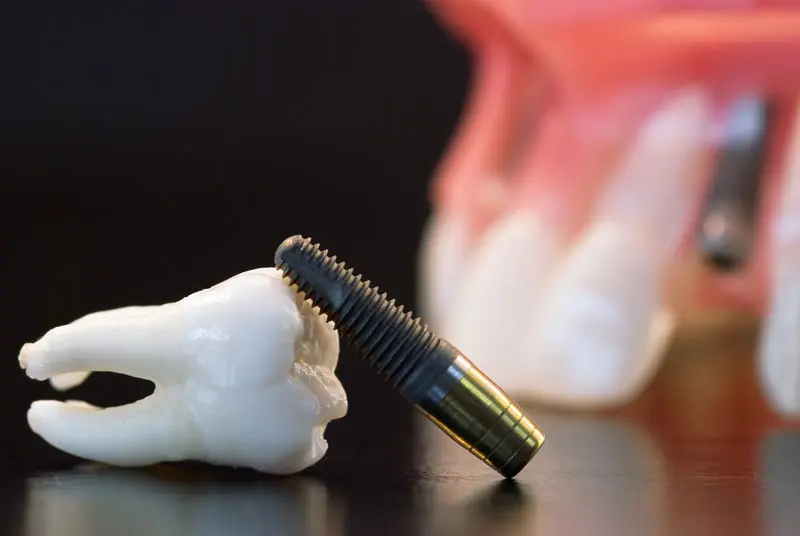
- Implant screw
- Healing abutment
- Surgery
- Follow up visits
In addition to the surgical portion, there is also the final restoration, which is the crown or prosthetic tooth placed on top of the implant. This part of treatment is typically completed by your general dentist or restorative dentist
Put simply, you are paying for a carefully planned restorative and surgical solution built for long-term function, not simply a replacement tooth.
Why Many Patients Choose Dental Implants
Dental implants are chosen because they provide a more complete and predictable solution. Other options may address the gap temporarily, but implants are designed to restore stability and function in a way that supports long term oral health.
Patients choose dental implants because they:
- Provide a fixed solution that does not move or loosen over time
- Avoid ongoing maintenance associated with removable appliances
- Help simplify long term dental care
- Easier to clean than a fixed bridge
- Offer predictable performance during everyday activities like eating and speaking
- Reduce the likelihood of needing additional replacement procedures
- Does not require cutting down adjacent teeth like a bridge
Over time, this reliability can make implants a more practical investment. Rather than focusing only on the cost, consider how well the solution will perform years from now.
Periodontal Expertise Matters When Considering Dental Implants
Many patients lose one or more teeth due to gum disease, bone loss, or chronic infection. These conditions affect the foundation that supports dental implants, which is why periodontal expertise plays an important role in long term success.
At McCawley Center for Laser Periodontics & Implants, we focus on treating the underlying causes of tooth loss before planning implant placement. As periodontists, Dr. Tom McCawley and Dr. Mark McCawley specialize in managing gum disease, preserving bone, and creating a stable foundation for long term function.
This approach helps ensure dental implants are placed in a healthy environment designed to support chewing strength, jawbone health, and long term stability.
Dental Implants in Ft. Lauderdale, FL
To schedule an implant consultation at our periodontal clinic in Ft. Lauderdale, call (954) 807-4829 or visit 800 East Broward Blvd #706 Fort Lauderdale, FL.
FAQs
In many cases, yes. Implants preserve the jawbone and do not require reducing healthy adjacent teeth which can lead to need for later endodontic treatment, which often makes them the better long-term option.
With healthy gums, good oral hygiene, and regular professional care, dental implants can last decades. While the implant itself is designed for long term stability, the restoration may need replacement over time due to normal wear and everyday use.
For a single missing tooth, implants are often one of the most cost-effective long-term solutions because they restore function without affecting neighboring teeth.