



| ✅ Reviewed by Dr. Tom McCawley | 🕒 Reading time: three minutes |
Scaling and root planing treats gum infection at its source, but your results depend heavily on how you care for your gums afterward. The first few days are especially important for healing and long-term stability.
How To Care for Your Gums After Scaling and Root Planing
After scaling and root planing, your gums need time to reattach and recover. Most patients can return to normal routines quickly, but a few adjustments help protect the treated areas.
Keep the Area Clean Without Irritating It
- Continue brushing twice daily using a soft-bristled toothbrush. Be gentle around treated areas to avoid discomfort
- Floss daily, but move slowly and carefully if your gums feel tender
- Oral irrigator on low setting
- Antiseptic rinse
Use Warm Salt Water Rinses
- Rinse with warm salt water for the first few days to help reduce inflammation and support healing.
- Avoid aggressive swishing. A gentle rinse is enough.
Choose Softer Foods at First
Stick to softer foods for a few days to prevent irritation.
Good options include:
- Yogurt
- Eggs
- Cooked vegetables
- Soft proteins
Gradually return to normal foods as sensitivity improves.
Avoid Irritants That Slow Healing
Certain habits can interfere with recovery and increase inflammation.
Avoid:
- Smoking or vaping
- Alcohol
- Very hot or spicy foods
These can disrupt healing and make gums more sensitive.
Stay Consistent With Follow-Up Care
Scaling and root planing is part of a larger periodontal treatment plan. Follow-up visits allow your provider to monitor healing and check for remaining bacterial activity.
What You May Notice After Scaling and Root Planing
Mild side effects are expected and are usually temporary.
You may notice:
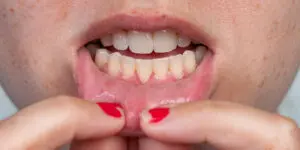
- Gum tenderness
- Slight swelling
- Tooth sensitivity, especially to cold
- Minor bleeding when brushing
These symptoms typically improve within a few days as your gums begin to heal and tighten around the teeth.
Why Aftercare Matters for Long-Term Results
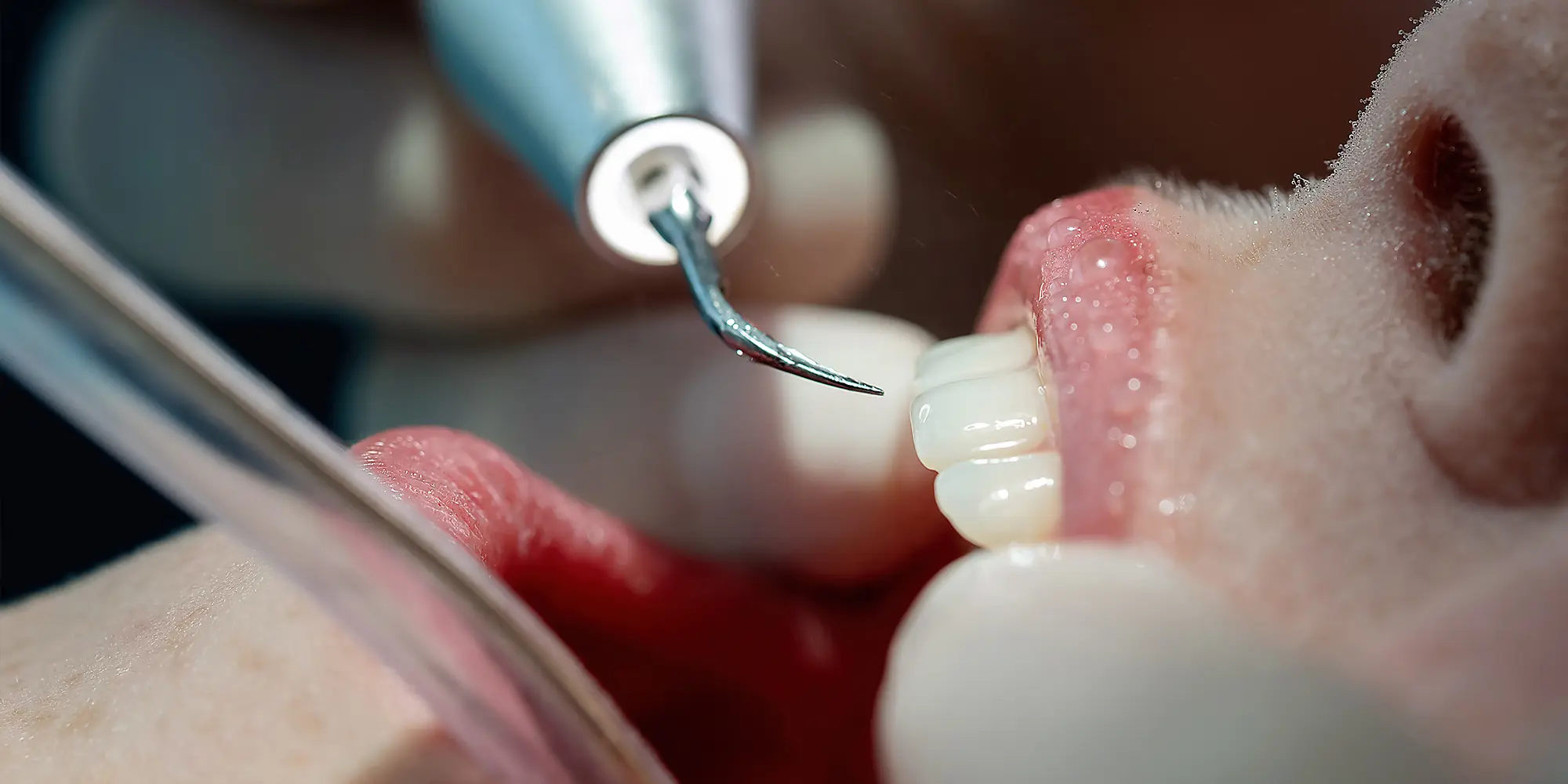
Scaling removes harmful bacteria below the gumline, and root planing smooths the tooth roots to reduce future buildup. This creates an environment where gum tissue can heal and reattach.
If plaque begins to accumulate again too soon, it can disrupt this healing process and allow infection to return. Consistent aftercare helps protect the results and reduce the risk of further gum damage.
This aligns with how deeper bacterial issues often behave in periodontal conditions, where surface-level cleaning alone may not fully address the problem.
Periodontal Care at McCawley Center for Laser Periodontics & Implants
Dr. Tom McCawley and Dr. Mark McCawley focus on treating gum disease at its bacterial source. Care does not stop after scaling and root planing.
Patients receive guidance based on their specific condition, including microbial analysis, targeted therapies, LANAP® laser treatment when appropriate, and ongoing monitoring to support long-term oral health. This approach helps reduce recurrence and improve treatment stability.
Periodontist in Ft Lauderdale FL
To schedule an appointment at our periodontal clinic in Ft. Lauderdale, call (954) 522-3228 or visit us at 800 E Broward Blvd #706, Fort Lauderdale, FL 33301.
FAQs
You can brush the same day using a soft toothbrush. Be gentle around treated areas to avoid irritation.
Initial healing usually takes a few days. Deeper healing and gum reattachment may take a few weeks.
Smoking can slow healing by reducing blood flow to the gums. This limits oxygen delivery, increases inflammation, and raises the risk of infection returning.
Your provider will recommend a timeline, but most patients return within a few weeks to evaluate healing and determine if additional care is needed.