


| ✅ Reviewed by Dr. Tom McCawley | 🕒 Reading time: three minutes |
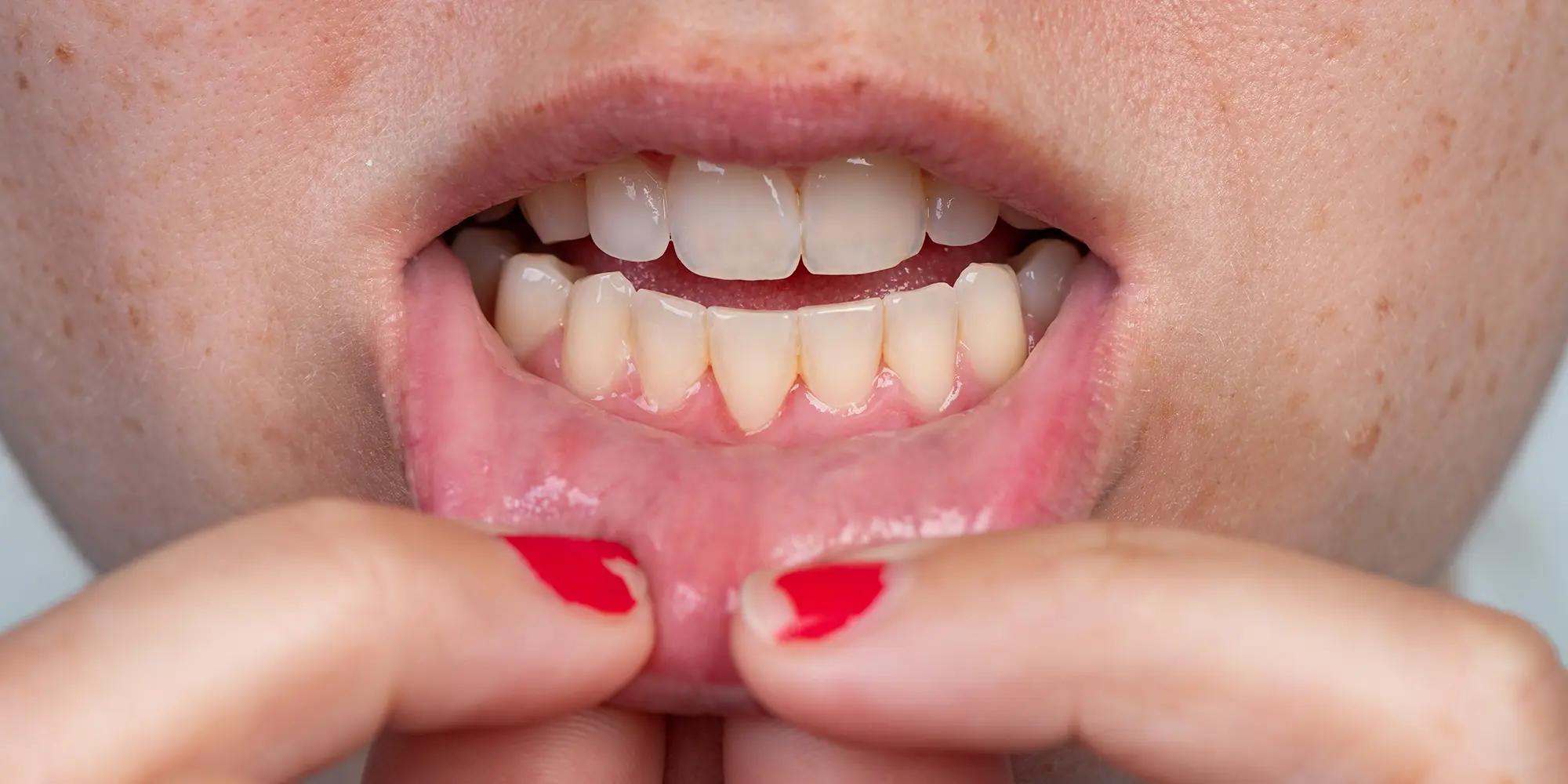
Receding gums cannot grow back on their own. Once gum tissue has receded and exposed part of a tooth root, good oral care can help protect the area and address some causes of recession, but it cannot replace gum tissue that has already been lost. At McCawley Center for Laser Periodontics & Implants, we offer advanced treatments to restore gum coverage and protect exposed tooth roots.
Why Receding Gums Don’t Grow Back
Gum tissue can heal after irritation or inflammation, but it cannot regenerate or regrow. This is why improving your oral hygiene or addressing the cause of recession can help protect the remaining tissue, but it cannot restore the gumline to its previous position.
Can You Reverse Receding Gums Naturally?
You cannot reverse existing gum recession at home, but you may be able to keep it from getting worse. The most helpful steps depend on what caused your gums to recede in the first place.
For example, brushing too aggressively can continue to damage the gumline, while plaque buildup and gum disease need to be properly controlled. At home, you can help protect your gums by:
- Brushing gently with a soft-bristled toothbrush
- Cleaning between your teeth every day
- Keeping plaque under control along the gumline
- Avoiding smoking and tobacco
If gum disease or another dental problem is contributing to the recession, professional treatment may also be needed to address the cause.
How Can Receding Gums Be Restored?
When recession exposes a tooth root, periodontal treatment can reposition existing gum tissue or add tissue to restore coverage over the exposed root.
Gum recession treatment may include:
- Pinhole Surgical Technique: The Pinhole Surgical Technique uses a small opening in the gum tissue to reposition existing tissue over exposed roots without traditional grafting in appropriate cases.
- Gum grafting: A soft tissue graft adds tissue to an area where the gums have receded. This can sometimes cover exposed roots and increase the amount of protective tissue around the tooth.
The amount of root coverage that can be achieved varies from person to person. We evaluate the severity and location of the recession, available gum tissue, and other factors before recommending treatment.
When Should Receding Gums Be Treated?
Not every area of recession requires a procedure, but it is worth having a changing gumline evaluated. Treatment may be appropriate when recession is progressing, roots are exposed or sensitive, or there is not enough healthy gum tissue to protect the tooth.
An evaluation can also identify the reason for the recession. Addressing the underlying cause is important before or alongside treatment so the gumline has the best chance of remaining stable.
Advanced Treatment for Receding Gums
If your gums have receded, treatment can restore coverage over exposed roots and help protect your teeth from further problems. At McCawley Center for Laser Periodontics & Implants, Dr. Mark McCawley is one of only 30 doctors in the world that has advanced certification in the Pinhole Surgical Technique.
The Pinhole Surgical Technique allows us to reposition existing gum tissue without removing tissue from the roof of the mouth. We can evaluate your gum recession and determine whether Pinhole surgery, gum grafting, or another approach is appropriate for you.
To schedule an appointment at our periodontal office in Ft. Lauderdale, call (954) 807-4829 or visit us at 800 East Broward Blvd #706 Fort Lauderdale, FL.
FAQ
Yes. When gum recession exposes the tooth root, that surface is more vulnerable to decay because it is not protected by enamel in the same way as the crown of the tooth. Keeping exposed roots clean and having areas of recession monitored can help reduce the risk of root cavities.
Gum recession can become more common with age, but getting older does not automatically mean your gums will continue to recede. Years of brushing habits, gum disease, tooth position, and other factors can contribute to changes in the gumline over time.
Yes. Gum recession around a dental implant can expose part of the implant or its restoration and may affect its appearance and health. Recession around an implant should be evaluated to determine what is causing the tissue changes and whether treatment is needed.