




| ✅ Reviewed by Dr. Mark McCawley | 🕒 Reading time: four minutes |
Veneers can improve a smile when they are carefully planned, shaped, and fitted. But bulky veneers can create serious problems for the gums. When veneers are too thick near the gumline, they can trap plaque and bacteria in areas that are extremely difficult to clean. Over time, that buildup can lead to gum inflammation, infection and bone loss.
Why Some Veneers Increase the Risk of Gum Disease
Poorly fitted veneers can increase the risk of gum disease by creating areas where plaque and bacteria collect. When the veneers are difficult to clean around, inflammation can develop and progress to periodontal disease over time.
This is more likely when veneers are:
- Too bulky near the gumline
- Overcontoured
- Rough around the edges
- Extend deep below the gumline
- Difficult to floss around
- Trap plaque or food
- Create ledges where bacteria can accumulate
Well-designed veneers should support healthy gums by allowing you to brush and floss effectively. If your gums remain swollen, bleed easily, or stay irritated around your veneers, they should be evaluated.
How Bulky Veneers Can Damage the Gums
Some cosmetic dentists offer no-prep or minimal-prep veneers, which require little or no removal of natural tooth structure before the veneers are bonded in place. These can be an appropriate option for carefully selected patients when there is enough space to add the veneer without changing the natural shape of the tooth.
Problems can occur when too much material is added, creating veneers that are bulky or overcontoured near the gumline. These thicker contours can trap plaque and bacteria in areas that are difficult to brush and floss.
Over time, the trapped bacteria can irritate the gums, causing redness, swelling, and bleeding. If the buildup remains, the infection can spread below the gumline, leading to periodontal disease, bone loss, and, in severe cases, abscesses.
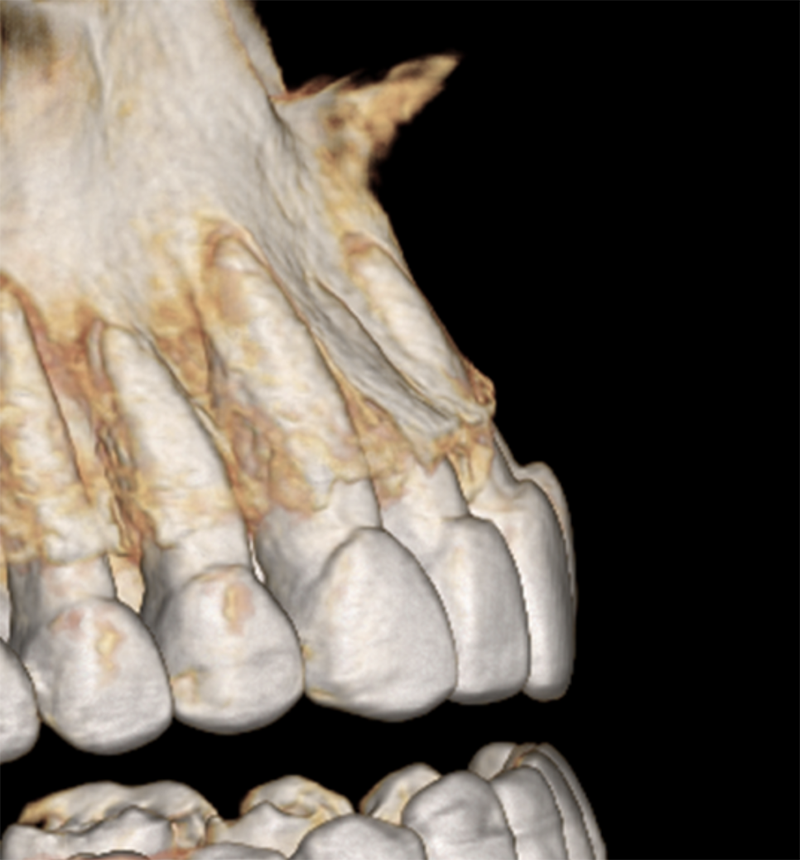
A Real Example: Gum Disease After Bulky Veneers
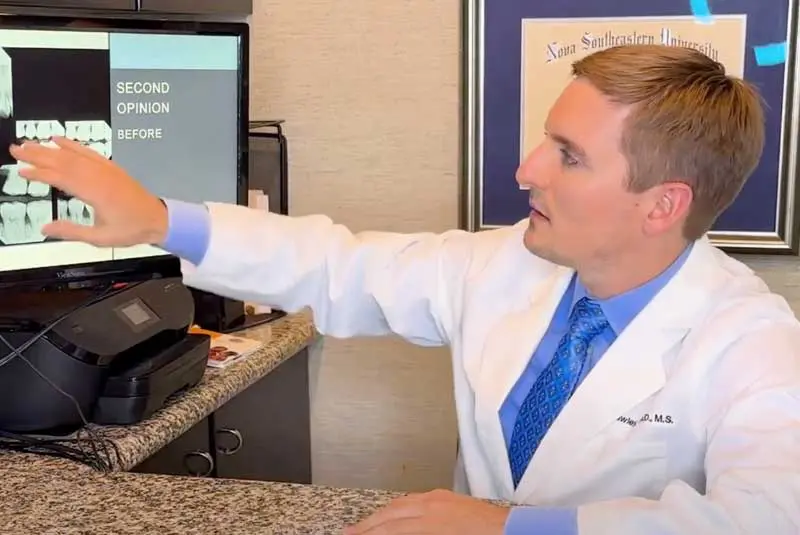
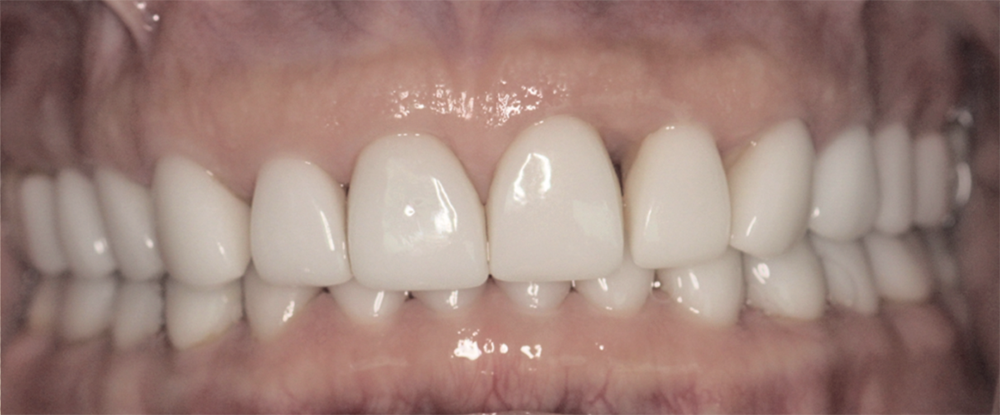
One patient came to us after having prepless veneers placed abroad. The result was a set of veneers that looked too bulky and were extremely difficult to clean underneath. Within about 18 months, the patient developed periodontal disease, abscessing, and bone loss around the veneered teeth.
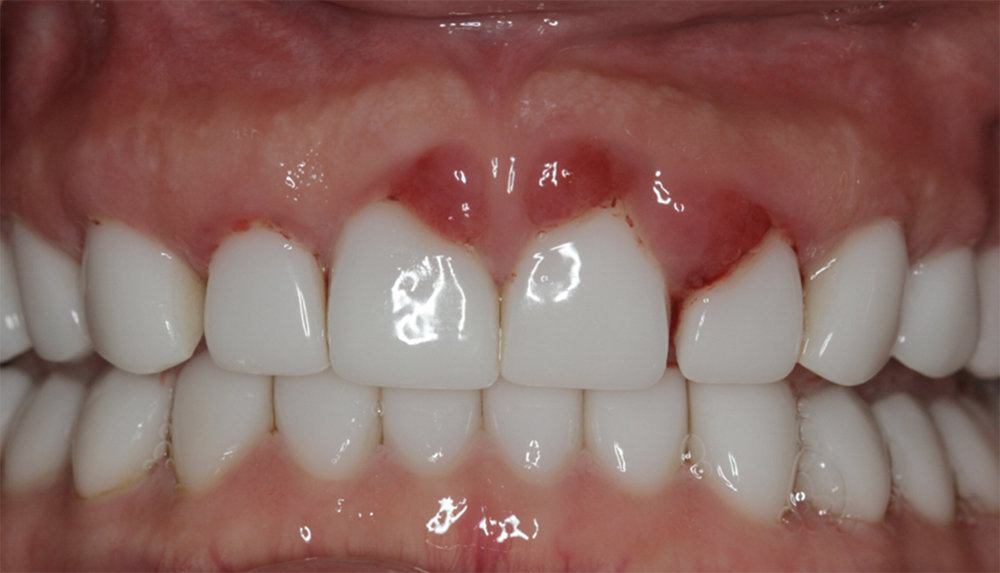
margins. The infection is causing bone loss on these teeth. Bacteria get under the margins and it is very difficult to remove so it builds up and abscessing.
Signs Your Veneers May Be Affecting Your Gum Health
Changes in the gums around veneers can develop gradually. Some people notice symptoms soon after treatment, while others do not realize there is a problem until the gums become painful or an infection develops..
Signs to watch for include:
- Bleeding when brushing or flossing
- Red, swollen, or tender gums
- Gum recession around the veneers
- Bad breath or a bad taste
- Floss shredding or catching
- Food trapping around the veneer edges
- Pus or drainage near the gums
- Gum abscesses
- Teeth that feel loose or different when biting
If the same area around a veneer continues to become inflamed despite good oral hygiene, the shape or fit of the veneer may be contributing to the problem.
What Happens if the Problem Is Not Treated?
When bacteria remain trapped around a poorly fitting veneer, ongoing inflammation can progress into periodontal disease. As the infection spreads below the gumline, the gums begin to separate from the teeth, creating pockets where even more bacteria can collect.
Over time, untreated periodontal disease may lead to:
- Deeper gum pockets
- Periodontal abscesses
- Gum recession
- Bone loss
- Loose teeth
- Changes in the bite
- Tooth loss
Early treatment can stop the infection before it causes extensive damage, improving the chances of preserving both the teeth and the supporting bone.
How LANAP Helped Save This Patient’s Teeth
LANAP is a laser periodontal treatment that treats gum disease without the cutting and sutures associated with traditional gum surgery. The laser selectively removes infected tissue and harmful bacteria from the periodontal pockets while preserving healthy tissue and supporting healing.
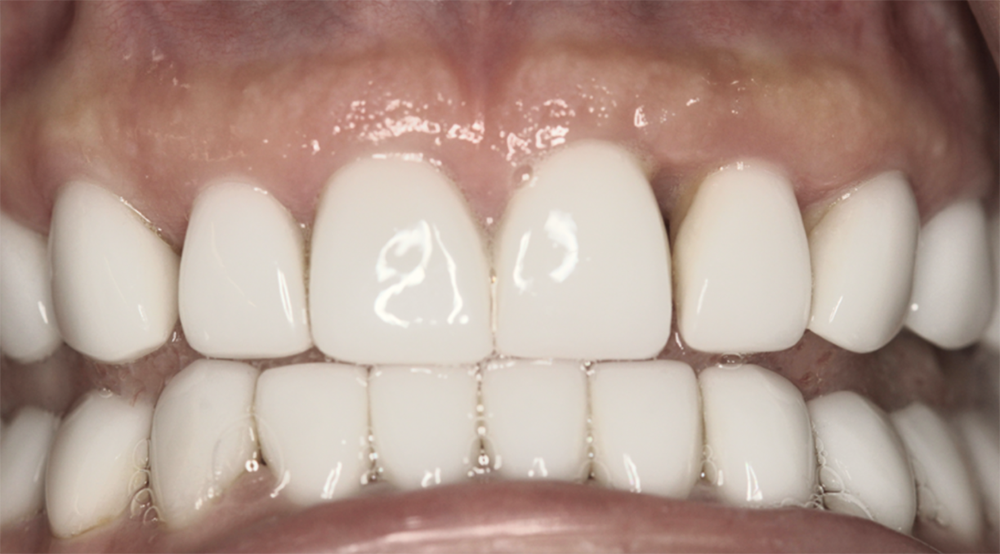
In this patient’s case, LANAP was used to disinfect the infected gums and treat the advanced periodontal disease that had developed. By reducing the bacterial infection and removing diseased tissue, treatment helped stop the progression of the disease and support healing.
Just three weeks after treatment, the patient’s gums showed noticeably less inflammation and a healthier tissue response.
LANAP Treatment by Experienced Periodontists
At McCawley Center for Laser Periodontics & Implants, Dr. Tom McCawley and Dr. Mark McCawley have been pioneers in laser periodontal therapy for decades. Our practice was among the first in the country to introduce the Nd:YAG laser for periodontal treatment, and our experience with laser procedures exceeds that of virtually any other practice worldwide.
Every patient receives a comprehensive periodontal evaluation to determine the extent of the infection and whether LANAP is the most appropriate treatment. The goal is to stop active disease, preserve healthy teeth whenever possible, and create a healthier foundation for long-term oral health.
Gum Disease Treatment in Fort Lauderdale, FL
If you are concerned that your veneers are affecting your gum health, our team can evaluate the fit of your restorations, assess the health of your gums and supporting bone, and recommend the most appropriate treatment to stop the infection and protect your teeth.
To schedule an appointment at our periodontal clinic in Ft. Lauderdale, call (954) 807-4829 or visit 800 East Broward Blvd #706 Fort Lauderdale, FL.
FAQ
This is the It depends on the severity of the gum disease. Active periodontal disease should be treated before veneers are placed because infected gums and bone loss can affect the long-term health and stability of the teeth. Once the gums are healthy and the disease is under control, veneers may be an option if you are otherwise a good candidate.answer.
Bad veneers can contribute to bone loss if they trap bacteria and lead to untreated periodontal disease. Bone loss happens when infection damages the structures that support the teeth.
Not always. The first priority is treating the gum disease and stopping the infection. If the veneers fit well and can be cleaned properly, they may not need to be removed. If the overhangs on the veneers are very small then sometimes they can be smoothed down to make it more cleansible.