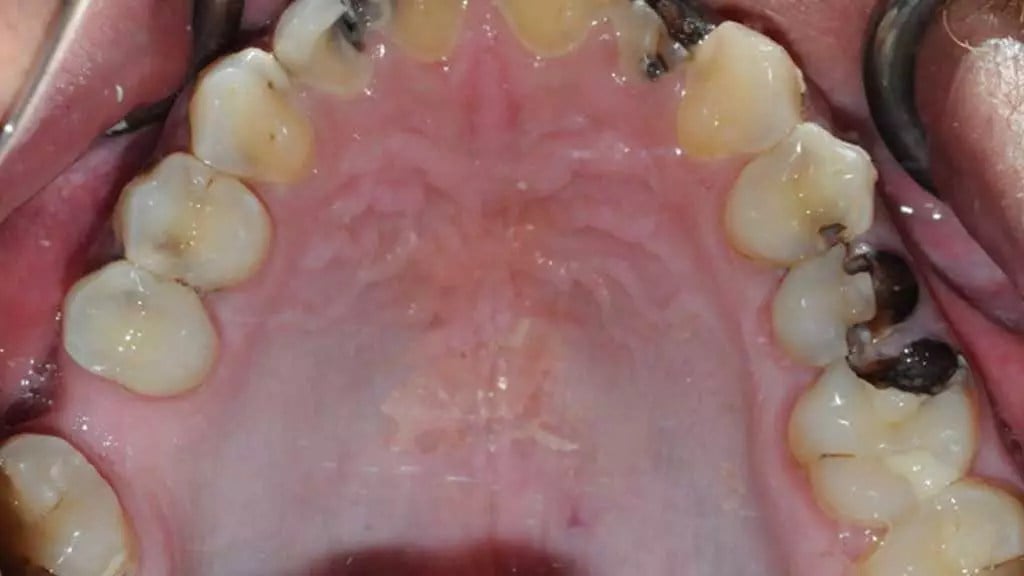
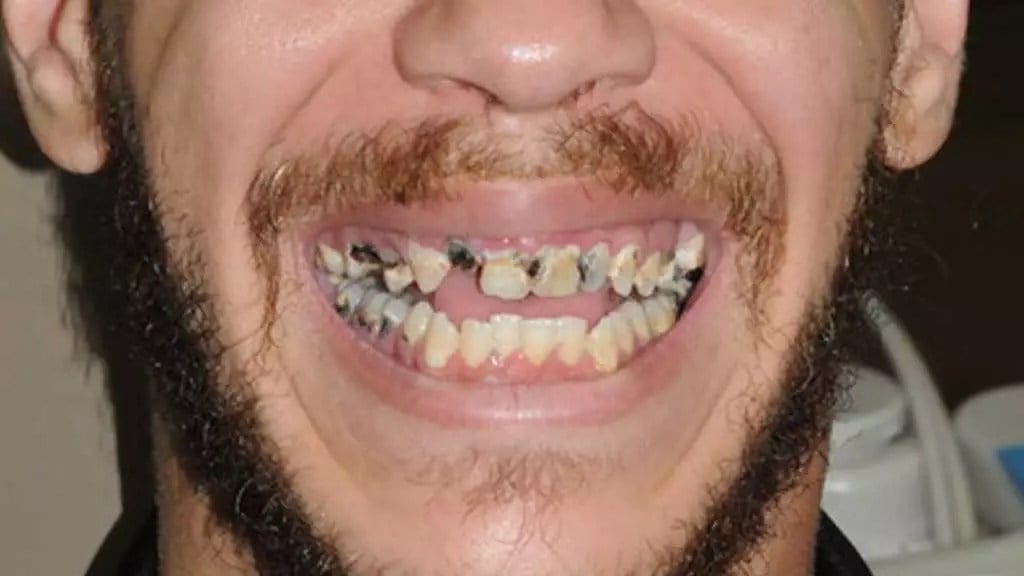
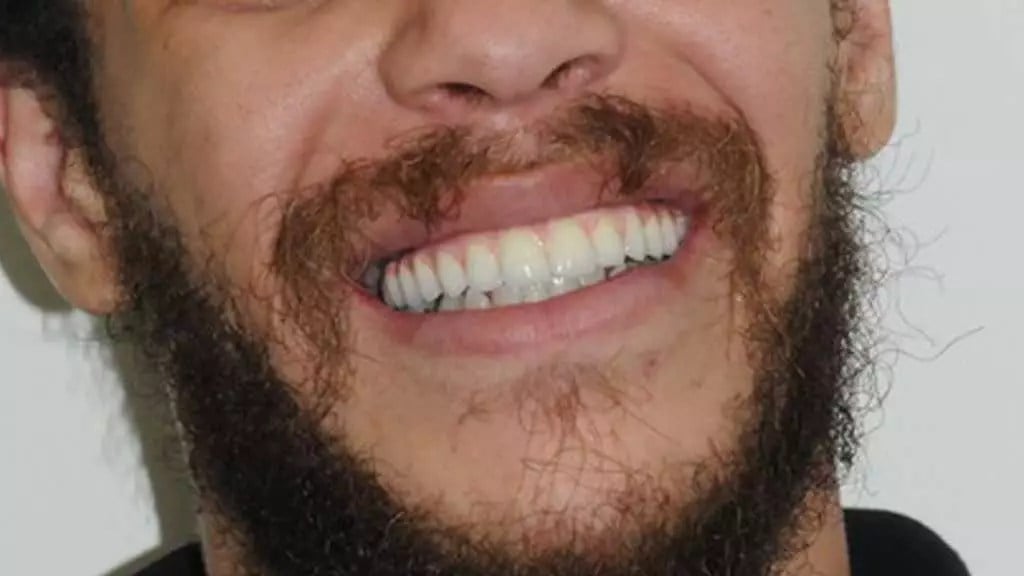
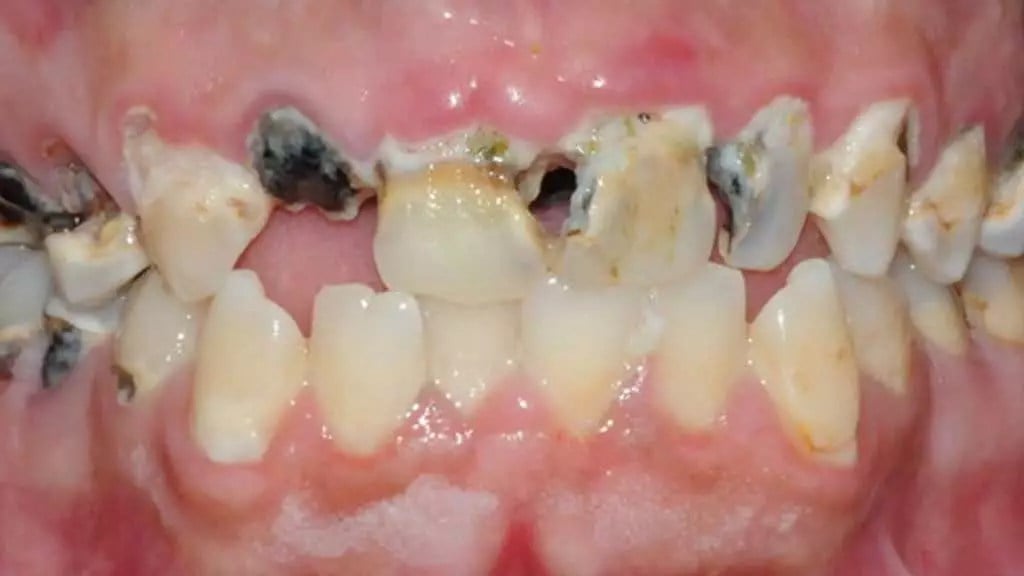
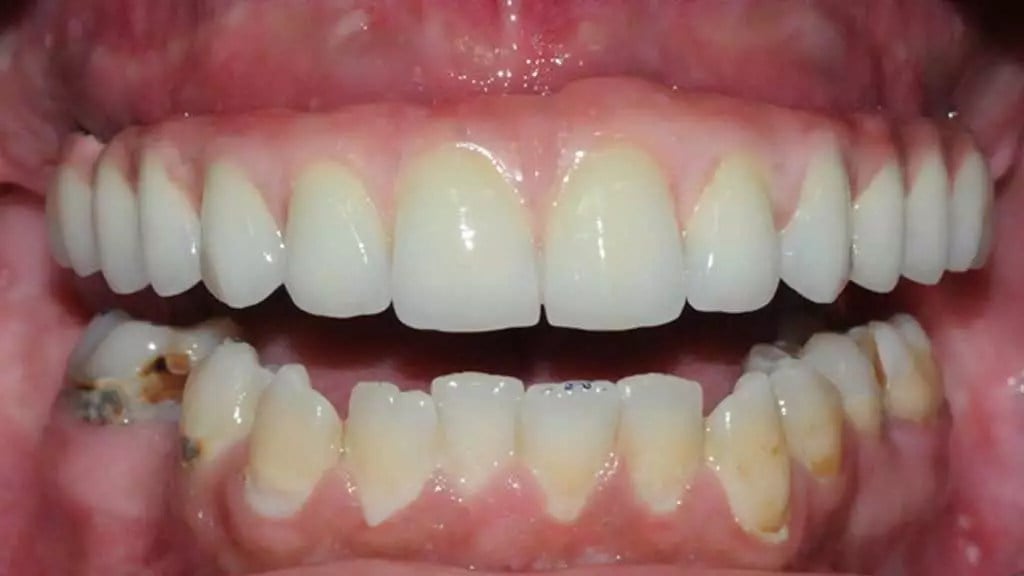
Tooth loss can affect more than your appearance. It can impact your ability to eat, speak, and maintain a healthy lifestyle.
At the McCawley Center for Laser Periodontics & Implants in Fort Lauderdale, we understand that behind every missing tooth is a bigger story. For many of our patients, that story begins with gum disease and bone loss.
Our focus is not simply on replacing missing teeth, but on preserving your natural teeth, your oral health, and your confidence.
We specialize in treating advanced periodontal disease and bone loss with minimally invasive laser technology. When a tooth cannot be saved, we offer dental implant procedures that support long-term function and bone stability. And when implants are failing due to infection or bone deterioration, we offer something few practices do: a chance to save them.
We offer treatment for peri-implantitis and dental implants at our periodontal office in Fort Lauderdale, FL.
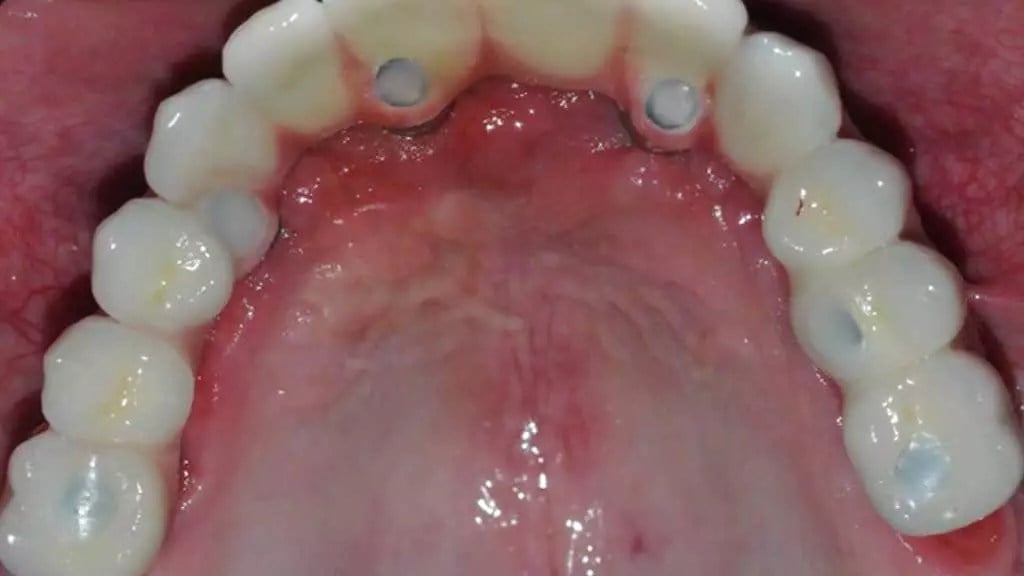
A dental implant is a titanium post that functions as an artificial tooth root. It is surgically placed into the jaw bone, where it fuses with the surrounding bone over time. Once healed, it can support a replacement tooth, such as a crown, bridge, or full-arch denture.
Dental implants are the closest option available to real teeth, providing stability and support that encourages healthy bone preservation. Unlike removable dentures (aka false teeth), they remain fixed in place and provide natural function when chewing or speaking.
Because they integrate with your bone, implants also help preserve bone density and prevent the sunken facial appearance that often follows tooth loss.
There are several types of implants, with endosteal implants being the most common. These are inserted directly into the jaw bone and provide excellent long-term stability.
Learn about full-arch dental implants (All-on-4 implants).
Dental implants offer a wide range of benefits that go beyond aesthetics. They support your oral health, protect your bone structure, and help you maintain a higher quality of life.
Here’s why patients and professionals consider them the gold standard for tooth replacement:
Functional Benefits:
Health Benefits:
Aesthetic and Psychological Benefits:
With proper care, dental implants can last a lifetime. They are durable, low maintenance, and designed to integrate seamlessly with your real teeth.
Unlike many dentists, oral surgeons, or general periodontists who place implants, our primary goal is not to replace teeth. It is to save them.
Many of our patients come to us with periodontal disease, severe bone loss, or existing implant failures. Rather than extracting teeth or removing implants, we use specialized techniques to treat the underlying infection, regenerate lost bone, and preserve what other providers might consider unsalvageable.
If a tooth or implant truly cannot be saved, we provide advanced dental implant surgery options as part of a comprehensive treatment plan. Our approach to implant care is unique because we specialize in treating the complex conditions that often surround implant cases, such as gum disease, bone loss, and peri-implantitis. Rather than focusing solely on the placement of implants, we prioritize infection control, long-term stability, and preserving oral health whenever possible.
We are one of the few centers in the world specializing in:
Most dentists and oral surgeons focus on placing implants. We focus on saving them.
Dental implants are often recommended when:
Tooth replacement with dental implants may be part of your treatment plan if you are missing teeth and want to restore full function and appearance. We often provide implants to patients already under our care for periodontal therapy, where tooth loss is the result of ongoing disease progression.
We will carefully assess your bone structure, gum tissue, and health condition to determine if implant treatment is right for you. In cases where bone loss is extensive, we can often rebuild the jaw bone using regenerative procedures or a bone graft before or during implant placement.
While LAPIP laser treatment can help regenerate bone around compromised implants, traditional bone grafting remains an important option to rebuild bone mass when necessary and to support the long-term success of dental implants.
Our practice combines science-backed diagnostics with the latest technology to give each patient the best possible chance of long-term success.
Microscopic diagnosis: We evaluate live bacteria under the microscope to understand the specific pathogens affecting your gum tissue and jaw bone.
Targeted antimicrobial therapy: Based on lab results, we prescribe specific antibiotics or antimicrobials to clear the infection before placing an implant.
Laser treatment: We use LANAP laser therapy to treat periodontal disease and LAPIP laser therapy specifically to treat peri-implantitis. LAPIP allows us to disinfect around failing dental implants, regenerate bone, and help save implants that might otherwise be lost, all without scalpels or sutures.
Bone grafting and regeneration: When bone density is low, we use surgical procedures such as ridge augmentation or sinus lifts to support long-term success.
Every step is designed to preserve your dental health and maximize the lifespan of your implant. We believe implant success is not just about the procedure but about ongoing care, maintenance, and prevention.
Dental implant surgery is typically performed in our office under local anesthesia, with the option for sedation if needed. It is a carefully planned procedure designed to replace missing teeth while preserving surrounding bone and gum tissue.
Here is what you can expect during the dental implant procedure:
We offer sedation options to help you feel relaxed and comfortable throughout the procedure, especially if you feel nervous or have dental anxiety.
Most patients experience minimal discomfort and return to normal activities within a day or two. Here are important aftercare instructions to follow:
Diet: Stick to a soft food diet for the first week to avoid putting stress on the surgical site.
Oral hygiene: Gently clean the area with a soft toothbrush and avoid disturbing the implant site. Rinse with a recommended mouthwash if advised.
Medications: Take prescribed antibiotics and pain relievers as directed.
Activity: Limit strenuous activities for a few days to encourage healing.
Follow-up appointments: Attend all scheduled visits to monitor healing and ensure proper integration of the implant.
We will give you simple, easy-to-follow aftercare instructions to make sure you heal properly and protect your new implant.
Dental implants are often considered the most effective and reliable solution for tooth replacement, especially when long-term oral health is the goal.
If you are comparing options like traditional dentures, partial dentures, traditional bridges, or implant-retained restorations, our team will help you understand what best fits your oral health needs and lifestyle.
Choosing the right implant provider can make all the difference in your outcome and overall experience. Many people don’t know what to look for or what questions to ask, which can lead to confusion or even disappointment.
Look for a specialist with several years of advanced graduate training in placing dental implants, such as a board-certified periodontist or an experienced oral and maxillofacial surgeon, not someone who learned at a weekend course.
Some offices use cheaper knockoff implants. Ask whether they use top-tier, well-researched implant systems with proven long-term results.
Low-radiation 3D cone beam scans help plan the implant placement with precision. Avoid offices that rely only on standard 2D X-rays.
Do they offer options like sedation for anxious patients, or do they only use local anesthetic shots? Your comfort matters.
Some specialists travel to many offices and are only available a couple of days per month. Look for someone who is in their own practice consistently to answer questions and follow up.
A great implant experience starts with feeling heard. Your provider should take time to understand your needs and customize your treatment plan accordingly.
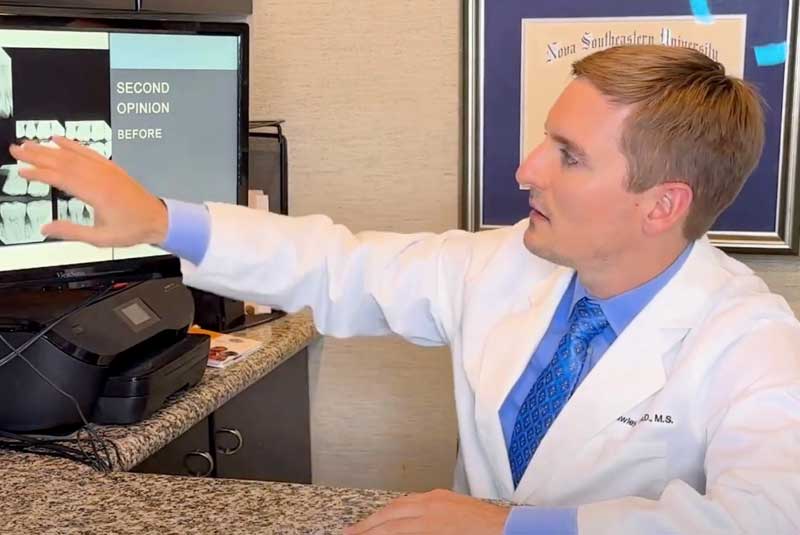
We welcome second opinions and are known for offering the highest quality implant procedures in a caring, comfortable environment. We would be happy to answer your questions and help you determine the right path forward for your health and smile.
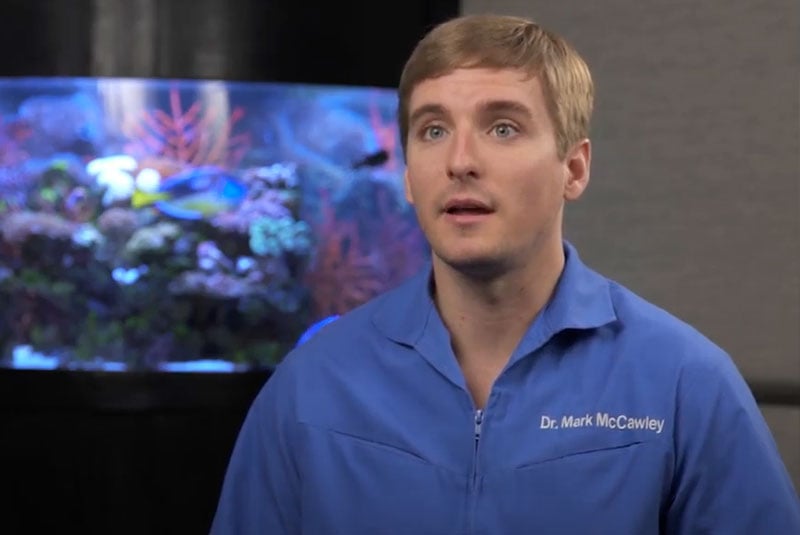
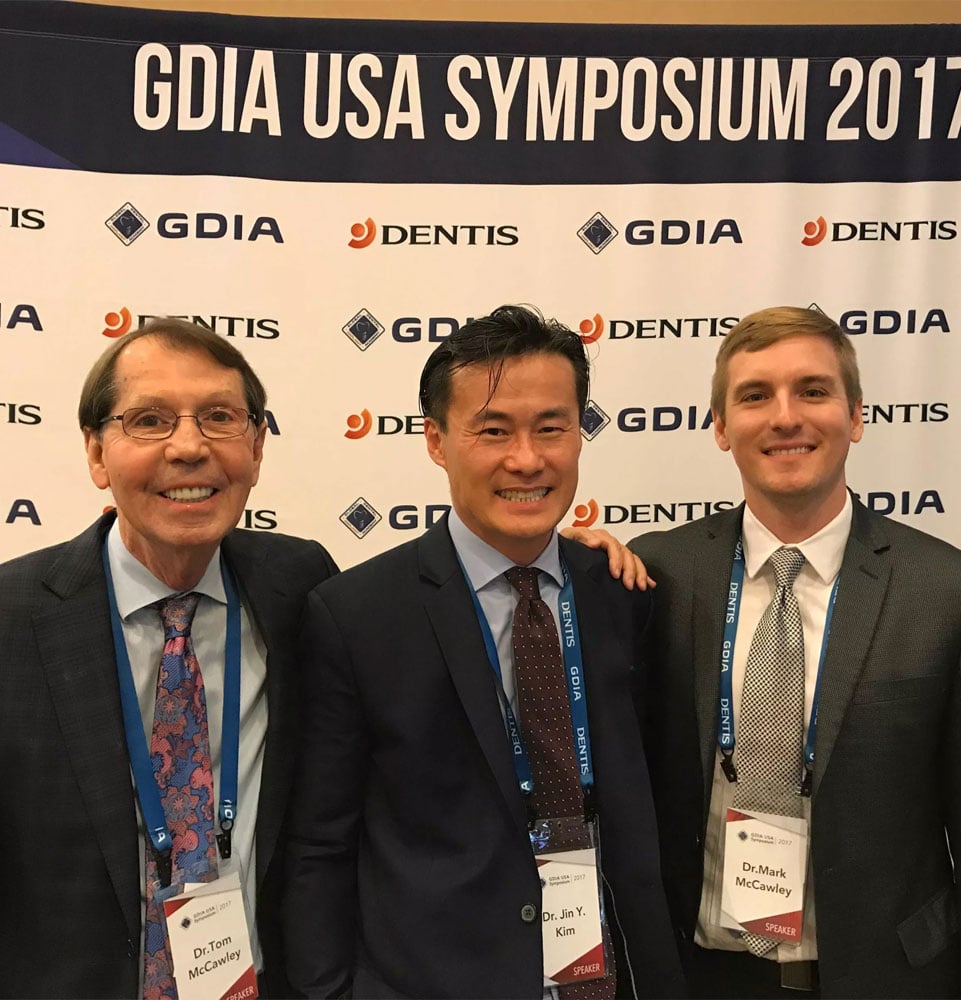
At the McCawley Center, dental implants are never treated as a one-size-fits-all solution. We bring a deep understanding of implant dentistry to every case, with a strong focus on treating the underlying causes of tooth loss and implant failure.
Here’s what sets us apart:
Specialists in Gum Disease and Implant Complications: Many of our patients come to us with bone loss, gum infection, or failed implants. We specialize in treating these issues before placing implants or in saving existing implants with LAPIP.
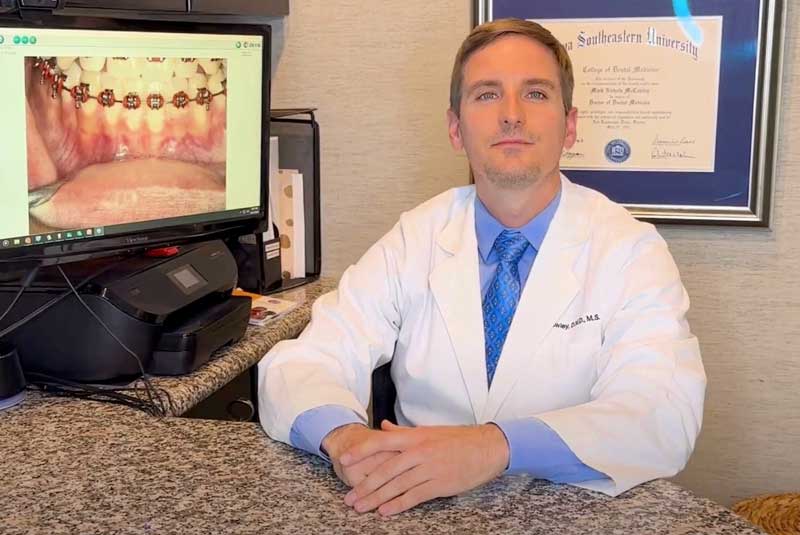
Leaders in Laser Periodontal Therapy: Dr. Tom McCawley and Dr. Mark McCawley were among the first clinicians in the U.S. to be certified in the LANAP and LAPIP laser protocols. These minimally invasive procedures allow us to disinfect deep pockets and stimulate bone regeneration.
Extensive Diagnostic Capabilities: We use phase-contrast microscopy to identify harmful bacteria and guide antimicrobial therapy, which supports successful healing and implant stability.
Proven Surgical Expertise: With over 50 years of combined experience, our team offers advanced bone grafting and dental implant procedures that prioritize long-term outcomes.
Commitment to Saving Natural Teeth and Implants: We don’t rush to extract teeth or replace failed implants. Our philosophy is rooted in preservation. If we can save a tooth or implant, we will.
Personalized, Comfortable Care: We take the time to understand your goals, explain your options, and ensure you feel supported at every step.
We are proud to be recognized as one of the most experienced periodontal and implant centers in the country. If you are looking for a team that blends clinical excellence with patient-first care, we would be honored to help you.
Yes, we often rebuild bone using grafting procedures before or during implant placement. Bone loss does not always mean you are not a candidate.
We specialize in treating failing implants with the LAPIP protocol, a laser-based surgical technique that removes infection and regenerates bone around the implant.
With proper care and regular checkups, implants can last a lifetime. They are designed to be a permanent solution to tooth loss.
Yes, dental implants are one of the most successful surgical procedures in modern dentistry. Our advanced diagnostics and laser technology help further reduce risks.
Absolutely! Once restored with a crown or bridge by your general dentist, your implant will look, feel, and function like your natural teeth.
Whether you need to replace missing teeth or rescue an implant affected by peri-implantitis, we are here to help. At the McCawley Center for Laser Periodontics & Implants in Broward County, we offer personalized, evidence-based care to restore your beautiful smile and protect your oral health.
To book an appointment at our periodontal office in Fort Lauderdale, FL, call (954) 522-3228 or visit us at 800 E Broward Blvd #706, Fort Lauderdale, FL 33301.