



| ✅ Reviewed by Dr. Tom McCawley | 🕒 Reading time: three minutes |
Missing a tooth may not seem urgent, especially if it is not visible when you smile. However, even a single gap can affect your bite, jawbone, and long-term oral health.
What Are the Long-Term Effects of Leaving a Missing Tooth Untreated?
If you do not replace missing teeth, the surrounding teeth begin to shift, the jawbone in that area starts to shrink, and your bite can become unstable. Over time, this can lead to bone loss, uneven wear, jaw discomfort, and additional tooth loss.
Tooth roots stimulate the jawbone every time you chew. When a tooth is removed and not replaced, that stimulation stops. The body responds by resorbing bone in the area. At the same time, neighboring teeth drift into the open space, creating alignment and bite problems.
How Bone Loss Develops After Tooth Loss
Bone loss begins quickly after a tooth is removed. The jawbone relies on stimulation from the tooth root to maintain its density and volume.
Without that stimulation:
- The bone in the missing tooth area begins to shrink
- Facial support in that region decreases
- The ridge becomes thinner over time
This process, called resorption, can make future treatment more complicated. In some cases, patients may require bone grafting before they can proceed with certain tooth replacement options.
Problems With Your Bite and Jaw
An unstable bite places stress on the jaw joints and remaining teeth. When teeth shift out of position, chewing forces become uneven.
This may result in:
- Jaw soreness
- Clicking or popping in the joints
- Headaches
- Increased tooth wear
- Cracks or fractures
Missing teeth in the back of the mouth are especially problematic because they support most chewing pressure. Without them, front teeth may absorb forces they were not designed to handle.
Tooth Replacement Options to Protect Your Smile
Replacing a missing tooth helps restore function, protect bone, and maintain alignment. Several tooth replacement options are available depending on the number of teeth missing and overall oral health.
Dental Implants
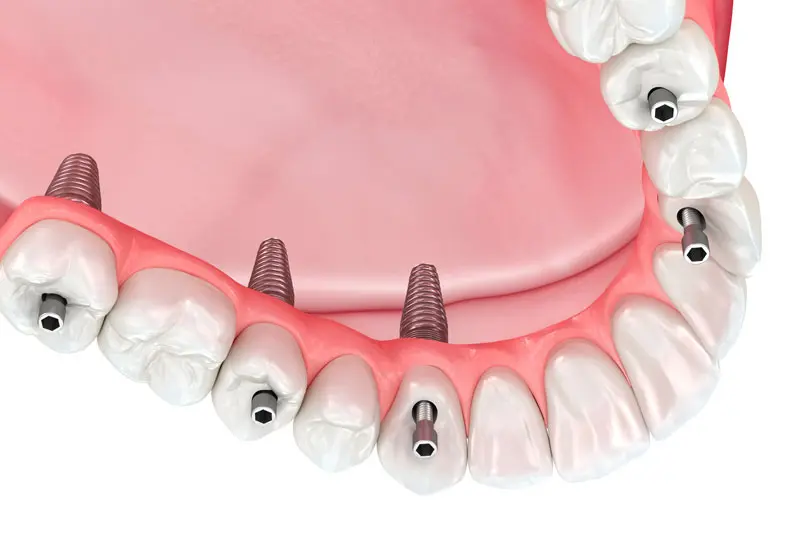
Dental implants replace the entire tooth structure, including the root. A titanium post is placed in the jawbone, where it integrates with the bone and supports a crown.
Benefits include:
- Preserves jawbone density
- Does not rely on adjacent teeth
- Long-term durability
- Natural appearance and function
Implants are often considered the most stable long-term solution when bone support is adequate.
Dental Bridges
A dental bridge fills the gap by anchoring a replacement tooth to adjacent teeth.
Advantages include:
- Faster treatment timeline than implants
- Fixed, non-removable solution
- Restores chewing function
However, bridges require reshaping neighboring teeth and do not prevent bone loss beneath the missing tooth site.
Partial or Full Dentures
Dentures replace multiple missing teeth and can be removable or implant-supported (full arch implants).
They are typically recommended when:
- Several teeth are missing
- Budget is a primary concern
- Bone volume is limited
While dentures restore appearance and function, traditional removable options do not prevent jawbone shrinkage.
Implant Planning After Tooth Loss
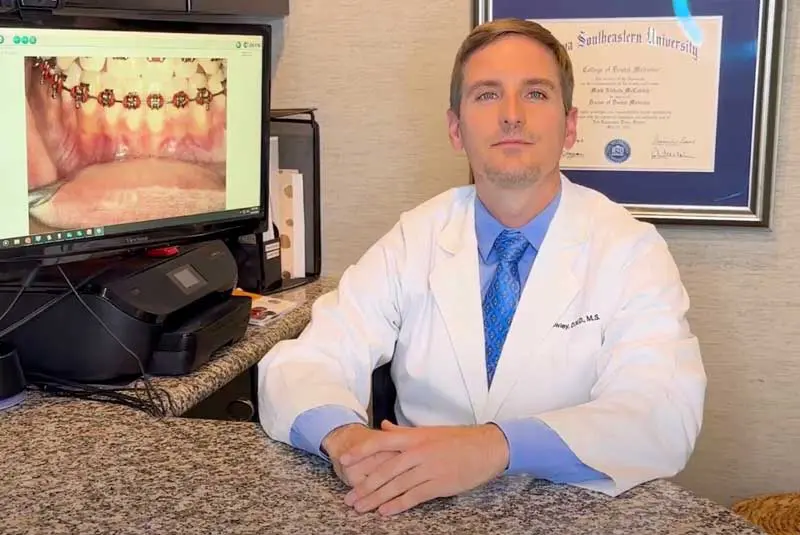
Tooth loss is often the result of untreated gum disease, which can lead to significant bone loss. Dr. Mark McCawley evaluates bone volume and stability before recommending dental implants to restore function. When bone has already resorbed, grafting procedures may be necessary to support long-term implant success.
Dental Implants in Ft. Lauderdale, FL
To book an appointment at our periodontal office in Fort Lauderdale, FL, call (954) 807-4829 or visit us at 800 East Broward Blvd #706 Fort Lauderdale, FL.
FAQs
Even a single missing tooth can lead to shifting, bone loss, and bite imbalance. Early replacement helps prevent additional complications.
Bone loss begins soon after extraction. While treatment may still be possible later, waiting can increase the complexity and cost of care.
Dental implants are often considered the most comprehensive solution because they replace both the root and crown. However, the best option depends on your bone support, oral health, and individual needs.