



| ✅ Reviewed by Dr. Tom McCawley | 🕒 Reading time: three minutes |
When plaque and bacteria build up below the gum line, routine dental cleanings are no longer enough. Scaling and root planing is a non-surgical treatment designed to stop this progression and protect your teeth.
How Scaling and Root Planing Is Used in Gum Disease Treatment
Scaling and root planing is a deep cleaning procedure. It removes plaque, tartar, and bacteria from beneath the gum line and smooths the root surfaces. It is performed to treat gum disease and reduce inflammation but its long term effects can be limited since it doesn’t remove all the bacteria. Adding laser treatment makes it significantly more successful and long lasting due to its disinfection effects.
The procedure has two parts:
- Scaling removes hardened plaque and bacteria from above and below the gumline.
- Root planing smooths the root surfaces to discourage future bacterial attachment.
By eliminating infection and creating a clean root surface, the gums can reattach more securely to the teeth. This helps reduce pocket depth and stabilize gum health.
Is Scaling and Root Planing Necessary?
Scaling and root planing is necessary when periodontal disease has progressed beyond mild gingivitis and formed periodontal pockets. These pockets allow bacteria to collect below the gum line, where brushing and flossing cannot reach.
Your dental provider may recommend scaling and root planing if you have:
- Bleeding gums
- Persistent inflammation
- Gum pockets deeper than 4 millimeters
- Tartar buildup below the gumline
- Early signs of bone loss on X-rays
Without treatment, gum disease can progress to advanced periodontitis. This may lead to bone destruction, gum recession, and eventual tooth loss. Early intervention helps prevent more invasive procedures later.
Does Scaling and Root Planing Hurt?
Scaling and root planing is typically performed under local anesthesia to keep you comfortable. Most patients report pressure or vibration during the procedure rather than sharp pain.
After treatment, you may experience:
- Mild gum tenderness
- Temporary tooth sensitivity
- Slight swelling
- Minor bleeding
These symptoms usually resolve within a few days. Following post-treatment instructions and maintaining good oral hygiene reduces discomfort and supports healing.
Patients with more advanced inflammation may experience increased sensitivity, but discomfort is manageable and temporary.
What to Expect After Treatment
Healing begins quickly after scaling and root planing. Gums typically appear less swollen and bleed less within days.
Your provider may schedule a follow-up visit to measure pocket depth and evaluate tissue response. Periodontal maintenance visits every three to four months are recommended to prevent recurrence.
Long-term success depends on consistent oral hygiene and regular professional care.
Specialized Periodontal Care
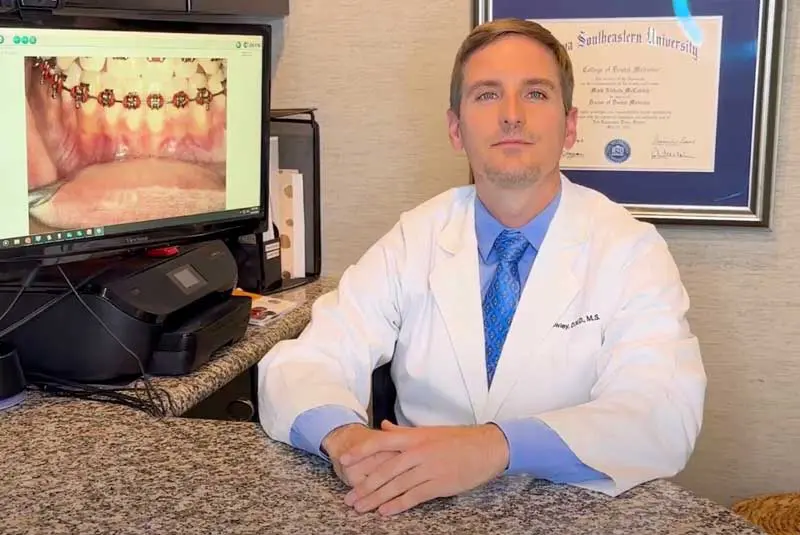
Scaling and root planing is an important part of treating gum disease and protecting the bone that supports your teeth. Dr. Mark McCawley and Dr. Tom McCawley provide specialized periodontal care focused on identifying infection, controlling harmful bacteria, and helping stabilize long-term gum health.
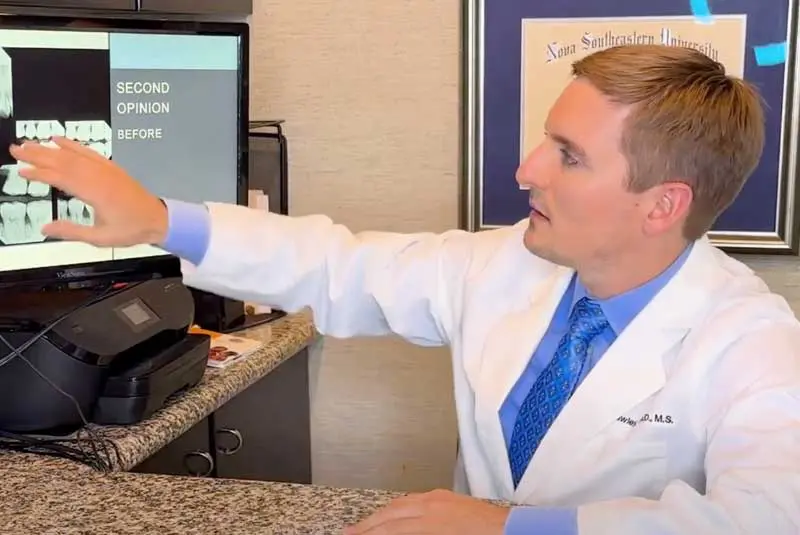
We use advanced diagnostic methods, including microscopic analysis of oral bacteria, to determine the most effective approach to controlling infection and stabilizing gum health.
Periodontist in Ft.Lauderdale, FL
To book an appointment at our periodontal office in Fort Lauderdale, FL, call (954) 807-4829 or visit us at 800 East Broward Blvd #706 Fort Lauderdale, FL.
FAQs
A regular cleaning removes plaque above the gumline. Scaling and root planing removes bacteria and tartar below the gumline and treats active gum disease.
It is typically recommended when periodontal pockets have formed. Mild gingivitis may respond to improved hygiene and routine cleanings, but deeper infection requires more thorough treatment.
Most patients experience mild soreness or sensitivity for a few days. Discomfort is temporary and manageable.
Results can be long-lasting with proper oral hygiene and regular periodontal maintenance visits. Ongoing care is essential to prevent recurrence.