




| ✅ Reviewed by Dr. Tom McCawley | 🕒 Reading time: four minutes |
Gum disease in teenagers is more common than many parents realize. Hormonal changes during puberty, orthodontic treatment, inconsistent hygiene, and habits like vaping can all increase risk. The good news is that when caught in the early stages, it is usually reversible.
Early Signs of Gum Disease in Teenagers
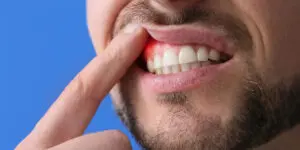
During puberty, hormonal shifts increase blood flow and sensitivity in the gums. This makes gum tissue react more strongly to even small amounts of plaque around the gumline. As a result, bleeding during brushing, tenderness, or puffiness can develop even before more advanced problems occur.
The most common early signs include:
- Bleeding during brushing or flossing
- Red or swollen gums
- Bad breath
- Tenderness near the gumline
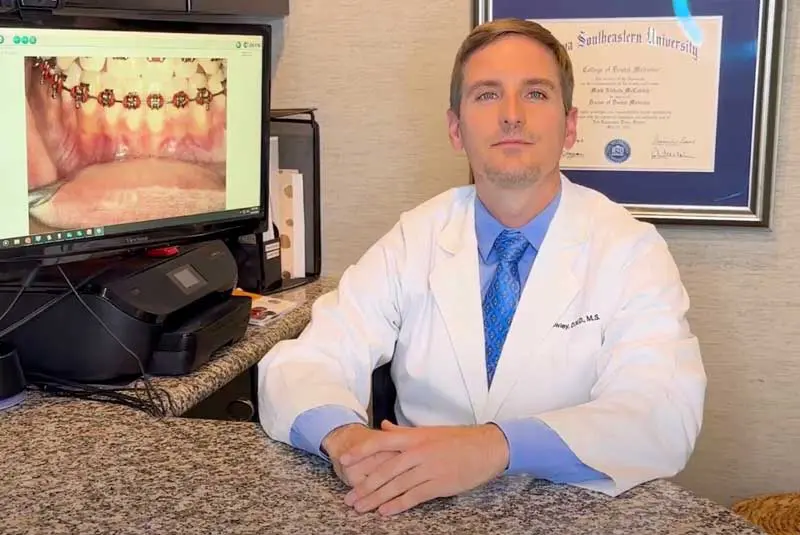
- Plaque buildup around brackets or crowded teeth
- Gums that look like they are pulling away
When this inflammation is ignored, it can progress beyond gingivitis into periodontitis, where deeper tissues and bone support become affected.
Why Gum Disease Is More Common During the Teen Years
Gum disease during the teen years is often linked to several common risk factors, including hormonal changes, oral hygiene habits, orthodontic treatment, and lifestyle behaviors. These factors can make gums more sensitive and allow inflammation to develop more easily. Often times it can progress more quickly than adults.
Hormonal Changes During Puberty
Puberty-related hormone changes can make gums more reactive to plaque. Even teens who brush daily may notice increased bleeding or swelling during this stage because the tissue itself is more sensitive.
A recent study published in October 2025 noted that adolescents, particularly during puberty, appear more susceptible to gingival inflammation due to hormonal changes that affect the immune response in gum tissue.
Braces and Orthodontic Treatment
Braces, aligners, permanent retainers, and crowded teeth make plaque easier to trap around the gumline. This is one of the biggest reasons teens develop gingivitis.
Food and bacteria tend to collect around:
- Brackets and wires
- Between crowded teeth
- Behind lower front teeth
- Around fixed retainers
Without targeted cleaning, inflammation can build quickly.
Vaping and Nicotine Use
Vaping and nicotine use can increase the risk of gum disease in teenagers. Nicotine reduces blood flow to the gums, which can slow healing and make gum tissue more vulnerable to infection. It can also reduce visible bleeding, making gum disease harder to detect in the early stages.
As a result, gum inflammation may already be present even when the gums do not appear severely irritated.
How Gum Disease Can Lead to Gum Recession
Gum recession can occur in teenagers and is often overlooked in the early stages. When inflammation from gum disease affects the tissue around the teeth, the gums may begin to pull away from the tooth surface over time.
In teenagers, recession is often linked to one or more of the following:
- Early gum disease and plaque buildup
- Aggressive horizontal brushing
- Thin gum tissue genetics
- Orthodontic tooth movement in certain cases
- Lip or oral piercings
- Vaping-related inflammation
- Bite trauma or clenching
When gums recede, teeth may appear longer, roots may become more sensitive, and bacteria can collect more easily around exposed surfaces. Because gum recession does not reverse on its own, early identification and treatment are important.
How to Protect Gum Health During the Teen Years
The best prevention strategies combine home care, habit changes, and regular periodontal monitoring.
A few oral health tips that make the biggest difference include:
- Brush for two full minutes twice daily with a soft-bristled toothbrush
- Floss every day
- Use interdental brushes or water flossers during orthodontic treatment
- Reduce sugary drinks, energy drinks, and sticky snacks
- Avoid vaping and nicotine pouches
- Schedule regular dental visits
- Do not ignore bleeding gums
This is where consistency matters more than intensity. Overbrushing can irritate the gumline and contribute to recession, so technique is just as important as frequency.
Our Approach to Protecting Teen Gum Health
Gum disease is most treatable when the bacterial cause is identified early. At McCawley Center for Laser Periodontics & Implants, we focus on diagnosing the infection beneath the gums and treating it before it affects long-term bone and tissue support.
Depending on the stage of inflammation, care may include microscopic bacterial analysis, targeted antimicrobial therapy, deep cleaning below the gumline, and LANAP when deeper pocket disinfection is needed.
This early, evidence-based approach helps protect the gum and bone foundation that supports lifelong oral health and future restorative options, including dental implants.
Periodontists in Fort Lauderdale, FL
At McCawley Center for Laser Periodontics & Implants, we help identify the bacterial, behavioral, and tissue factors behind early gum disease and build a plan that protects long-term oral health.
To book an appointment with Dr. Tom McCawley or Dr. Mark McCawley, call (954) 807-4829 or visit 800 East Broward Blvd #706 Fort Lauderdale, FL.
FAQs
Braces do not directly cause gum disease, but they make plaque removal harder. Teens with orthodontic treatment need more focused brushing and flossing around brackets and wires.
Gum recession in teens can also happen from brushing too hard, thin tissue genetics, orthodontic movement, lip piercings, or bite trauma.
Use a soft toothbrush, floss daily, clean around orthodontic appliances, avoid vaping, and schedule a professional exam if bleeding lasts more than a few days.