




| ✅ Reviewed by Dr. Mark McCawley | 🕒 Reading time: three minutes |
Gum disease often begins without pain or obvious symptoms, which makes it easy to ignore. When periodontal infection goes untreated, however, it can progress beyond the gums and contribute to broader health complications.
Can Gum Disease Kill You?
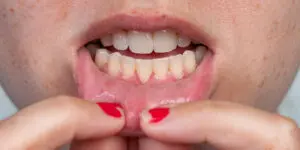
Untreated gum disease is not typically fatal on its own, but advanced periodontal infection can increase the risk of serious systemic health problems. As gum disease progresses, harmful bacteria accumulate in deep gum pockets and can enter the bloodstream through inflamed tissue.
This bacterial spread is associated with increased inflammation throughout the body. Studies have linked advanced periodontal disease to higher risks of heart disease, stroke, diabetes complications, respiratory infections, and adverse pregnancy outcomes.
In severe cases, unmanaged infection can worsen existing medical conditions and increase the risk of hospitalization.
How Untreated Gum Disease Progresses
Periodontal disease worsens over time if it is not treated, with each stage causing more damage than the last.
- Gingivitis causes swollen, red gums that bleed easily, but the damage is still reversible at this stage.
- Early periodontitis occurs when bacteria move below the gumline and begin damaging the supporting tissues around the teeth.
- Advanced periodontitis leads to bone loss, loose teeth, and ongoing infection that is much harder to control.
As the condition progresses, harmful bacteria can more easily enter the bloodstream, increasing inflammation throughout the body.
Signs That Gum Disease Requires Immediate Care
Some symptoms suggest that gum disease has reached a more advanced stage and should be evaluated promptly.
- Gums that bleed frequently
- Gums pulling away from the teeth or exposing tooth roots
- Teeth that feel loose or appear to shift
- Ongoing bad breath that does not improve
- Swelling, soreness, or drainage along the gumline
Delaying care increases the risk of permanent damage to the teeth and the bone that supports them.
How Advanced Periodontal Therapy Helps Control Infection
When gum disease progresses beyond early inflammation, professional treatment is necessary to control bacterial infection and limit further damage. Advanced periodontal therapies focus on reducing harmful bacteria, stopping tissue breakdown, and supporting long-term stability.
Two commonly used approaches include laser periodontal therapy and targeted antimicrobial treatment. These methods are selected based on disease severity and bacterial findings.
Laser Periodontal Therapy (LANAP)
LANAP is a minimally invasive laser treatment designed to remove infected gum tissue while preserving healthy structures. The laser targets diseased tissue and bacteria within deep gum pockets and supports healing without traditional surgical incisions.
Targeted Antimicrobial Therapy
Antimicrobial therapy focuses on reducing the specific bacteria responsible for periodontal disease. Rather than relying on broad antibiotics alone, this approach targets aggressive pathogens identified during evaluation.
By lowering bacterial load at the source, antimicrobial therapy helps reduce inflammation and supports long-term periodontal stability.
Protecting Your Long-Term Health Starts With Your Gums
At McCawley Center for Laser Periodontics & Implants, we focus on diagnosing and treating gum disease at its source using advanced, minimally invasive approaches.
To book an appointment at our periodontal office in Fort Lauderdale, FL, call (954) 807-4829 or visit us at 800 East Broward Blvd #706 Fort Lauderdale, FL.
FAQ
Advanced gum disease is a chronic infection that can affect overall oral health and contribute to systemic inflammation when left untreated.
Sepsis from gum disease is rare, but severe untreated oral infections near the gum line can increase infection risk, especially in medically vulnerable patients.
Treating periodontal disease reduces bacterial burden and inflammation, which supports better systemic health outcomes and helps lower the risk of complications such as tooth loss.
Gum disease can recur without proper maintenance. Regular periodontal care, consistent oral hygiene, and follow-up treatments such as scaling and root planing help reduce the risk of reinfection.