




| ✅ Reviewed by Dr. Tom McCawley | 🕒 Reading time: four minutes |
Dental implants are designed to be a long-term solution for missing teeth, but they are not immune to infection. One of the most common causes of implant failure is peri-implantitis, an inflammatory condition that leads to bone loss around an implant. While laser treatment can help stabilize infected implants, the best outcome is preventing peri-implant disease from developing in the first place.
Why Dental Implants Fail
Implant failure rarely happens suddenly. In most cases, it begins with plaque and bacterial biofilm accumulating around the implant surface and beneath the gumline. This leads to inflammation of the surrounding tissue, known as peri-implant mucositis.
If the infection continues unchecked, it can progress into peri-implantitis or peri-implant disease, where bone supporting the implant begins to break down.
Several factors increase the risk of implant-related infection, including:
- A history of gum disease
- Smoking or vaping
- Diabetes or immune-related conditions
- Teeth grinding or excessive bite forces
- Inconsistent home care
- Missed professional maintenance visits
Unlike natural teeth, implants do not have a periodontal ligament to help protect against bacterial invasion. As a result, infections around implants can progress more quickly and with fewer warning signs.
Daily Home Care for Dental Implants
Dental implants require careful daily maintenance to control bacteria without damaging the implant surface or surrounding tissue.
Effective home care includes:
- Using a soft-bristled toothbrush to avoid irritating the gums
- Choosing a non-abrasive toothpaste to prevent scratching implant materials
- Cleaning between implants and under implant-supported crowns or bridges with implant-safe floss, interdental brushes, and a water flosser
- Paying close attention to the gumline, where plaque tends to accumulate
- Cleaning the tongue daily to reduce the overall bacterial load in the mouth
- Using antibacterial rinses when recommended based on individual risk factors
Gentle, consistent care is more effective than aggressive brushing, which can inflame tissue and contribute to complications.
The Importance of Implant Maintenance
Dental implants require ongoing maintenance to remain healthy over time. This type of care is different from routine dental cleanings and is tailored to the unique structure of implants and the tissues that support them.
Implant maintenance focuses on controlling bacteria, protecting the implant surface, and monitoring the surrounding gums and bone. These visits may include:
- The use of implant-safe instruments that clean effectively without damaging the implant
- Removal of fixed implant restorations when needed to allow thorough cleaning of both the restoration and the surrounding oral tissues
- Assessment of gum tissue health and pocket depths around the implant
- Periodic X-rays to monitor bone levels and identify early changes
Regular implant maintenance helps identify inflammation or bone loss early, often before symptoms develop. Addressing these findings promptly plays an important role in reducing the risk of peri-implantitis and supporting long-term implant stability.
Early Signs That Should Be Evaluated Promptly
Peri-implantitis is usually painless in its early stages. Small changes around an implant should never be ignored.
Signs that warrant evaluation include:
- Bleeding around an implant during brushing or flossing
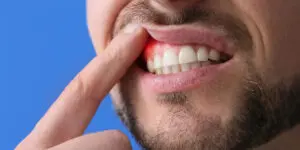
- Redness or puffiness of the surrounding gum tissue
- A persistent bad taste or odor near the implant
- A sensation that the implant or crown feels slightly loose
These changes often indicate active inflammation and should be addressed early, before bone loss becomes advanced.
Saving Dental Implants With LAPIP
When peri-implantitis is detected early, LAPIP can often make the difference between saving an implant and losing it. This laser-based procedure is designed specifically to treat infection and bone loss around dental implants without traditional surgery.
LAPIP uses a precise laser protocol to remove infected tissue, disinfect the implant surface, and stimulate bone regeneration while preserving healthy surrounding tissue. Long-term implant stability still depends on consistent home care and ongoing implant maintenance after treatment.
A Real Example of Why Early Evaluation Matters
Peri-implant disease does not always develop shortly after implant placement. In many cases, it appears years later, after an implant has functioned well for a long time.
One patient shared their experience after developing an infection more than a decade after receiving an implant in a verified online review:
“I got my implant when I was 17, and now at 28—11 years later—I developed an infection around the gum where my implant is. I went to see Dr. McCawley, and he performed a laser procedure on me. The pain relief I felt after just one day was unbelievable.
I understand that some people mention the cost, but in my experience, Dr. McCawley is worth every penny. He’s truly an artist with his hands when using the laser. Good work isn’t cheap—and he’s the best in the business.”
This experience reflects a common pattern. Implant infections can remain silent for years, and once symptoms appear, early intervention can make a meaningful difference in comfort and implant stability.
Protecting Your Dental Implants Long Term
Dental implants require daily care, consistent maintenance, and early evaluation of any changes. When problems develop, our focus is always on saving teeth and implants whenever possible.
We were among the first practices to adopt the LAPIP® protocol and have more experience with laser periodontics than any practice in the country. Using advanced microscopic evaluation, we identify periodontal pathogens that many offices miss and treat peri-implantitis daily with refined laser-based techniques designed to preserve bone and avoid implant loss.
To book an appointment at our periodontal office in Fort Lauderdale, FL, call (954) 807-4829 or visit us at 800 East Broward Blvd #706 Fort Lauderdale, FL.
FAQs
Peri-implantitis is an active infection and does not resolve without treatment. Without intervention, inflammation and bone loss around the implant typically continue to progress, increasing the risk of implant failure..
Peri-implantitis is a serious condition because it leads to progressive bone loss around a dental implant. If not treated early, it can result in implant loosening and eventual loss. The earlier it is identified and treated, the better the chances of stabilizing the implant.
Antibacterial mouthwashes may help reduce surface bacteria, but they cannot treat peri-implantitis on their own. Infection around implants occurs below the gumline, where rinses cannot fully reach. Mouthwash may be used as part of a broader care plan but does not replace professional treatment.
Antibiotics alone are not enough to treat peri-implantitis. While they may temporarily reduce bacteria, they do not remove infected tissue or address bone loss around the implant. Effective treatment typically requires direct decontamination of the implant surface and surrounding tissues, often combined with ongoing maintenance.
If you are in Fort Lauderdale or the surrounding communities, peri-implantitis treatment is available at McCawley Center for Laser Periodontics and Implants. We are specialists in laser periodontics and our focus is on saving teeth and dental implants. To book an appointment, call (954) 807-4829.